How do I calibrate my battery?
Leave a message

Calibrating your battery is a crucial process that can significantly enhance its performance and lifespan. As a battery supplier, I've witnessed firsthand the importance of proper battery calibration for various applications, from automotive to industrial uses. In this blog, I'll share insights on how to calibrate your battery effectively, ensuring you get the most out of your investment.
Understanding Battery Calibration
Before diving into the calibration process, it's essential to understand what battery calibration means. Battery calibration is the process of resetting the battery's internal charge gauge to accurately reflect its actual charge level. Over time, the charge gauge can become inaccurate due to factors such as temperature fluctuations, overcharging, or deep discharging. This inaccuracy can lead to premature shutdowns, reduced battery life, and inefficient use of the battery's capacity.
Why Calibration is Necessary
Proper calibration helps maintain the accuracy of the battery's charge indicator, allowing you to rely on it for accurate information about the battery's remaining charge. This is especially important in applications where knowing the exact charge level is critical, such as in electric vehicles or portable electronic devices. Additionally, regular calibration can help extend the battery's lifespan by preventing overcharging and deep discharging, which are two of the main factors that contribute to battery degradation.
Types of Batteries and Calibration Methods
There are several types of batteries commonly used today, each with its own calibration requirements. The most common types include lead-acid batteries, lithium-ion batteries, and nickel-metal hydride (NiMH) batteries. Let's take a closer look at each type and the calibration methods associated with them.
Lead-Acid Batteries
Lead-acid batteries are widely used in automotive applications, as well as in backup power systems and industrial equipment. These batteries require regular maintenance and calibration to ensure optimal performance.
Calibration Steps for Lead-Acid Batteries
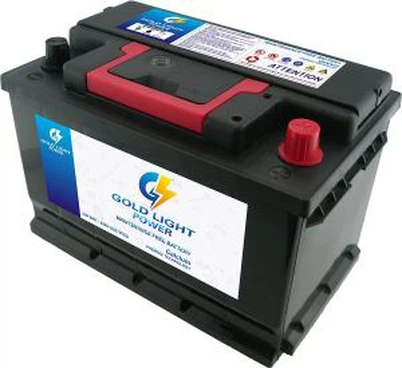
- Fully Charge the Battery: Connect the battery to a charger and allow it to charge fully. Make sure to use a charger that is compatible with the battery's voltage and capacity. For example, our Din75 12V75Ah MF Good Performance Car Battery requires a charger that can provide a 12V charge at an appropriate current level.
- Discharge the Battery: Once the battery is fully charged, discharge it to a specific level. For lead-acid batteries, it's recommended to discharge them to about 50% of their capacity. You can do this by using the battery in a device or by using a discharge tester.
- Recharge the Battery: After discharging the battery, recharge it fully again. This process helps reset the battery's internal charge gauge and ensures accurate readings.
Lithium-Ion Batteries
Lithium-ion batteries are commonly used in portable electronic devices, such as smartphones, laptops, and tablets, as well as in electric vehicles. These batteries are known for their high energy density and long lifespan, but they also require proper calibration to maintain their performance.
Calibration Steps for Lithium-Ion Batteries
- Fully Charge the Battery: Connect the battery to a charger and allow it to charge fully. Make sure to use a charger that is specifically designed for lithium-ion batteries. Our Auto Start Car Battery JIS Standard 12V 36Ah N36 Rechargeable Car Battery is a lithium-ion battery that requires a compatible charger for optimal performance.
- Use the Battery Until It Shuts Down: Once the battery is fully charged, use the device until the battery runs out of power and the device shuts down. This step helps discharge the battery completely, which is necessary for calibration.
- Recharge the Battery: After the device shuts down, connect the battery to the charger and allow it to charge fully again. This process helps reset the battery's internal charge gauge and ensures accurate readings.
Nickel-Metal Hydride (NiMH) Batteries
NiMH batteries are commonly used in rechargeable batteries for cameras, toys, and other small electronic devices. These batteries are known for their high energy density and long cycle life, but they also require regular calibration to maintain their performance.
Calibration Steps for NiMH Batteries

- Fully Charge the Battery: Connect the battery to a charger and allow it to charge fully. Make sure to use a charger that is compatible with NiMH batteries.
- Discharge the Battery: Once the battery is fully charged, discharge it to a specific level. For NiMH batteries, it's recommended to discharge them to about 20% of their capacity. You can do this by using the battery in a device or by using a discharge tester.
- Recharge the Battery: After discharging the battery, recharge it fully again. This process helps reset the battery's internal charge gauge and ensures accurate readings.
Tips for Successful Battery Calibration
- Follow the Manufacturer's Instructions: Always refer to the battery manufacturer's instructions for specific calibration guidelines. Different batteries may have different calibration requirements, so it's important to follow the recommended procedures.
- Use a Quality Charger: Using a high-quality charger that is compatible with your battery is essential for successful calibration. A poor-quality charger can overcharge or undercharge the battery, leading to inaccurate readings and reduced battery life.
- Avoid Extreme Temperatures: Battery calibration should be performed at room temperature to ensure accurate results. Extreme temperatures can affect the battery's performance and accuracy, so it's best to avoid calibrating the battery in very hot or cold environments.
- Perform Regular Calibration: Regular calibration is key to maintaining the accuracy of your battery's charge indicator and extending its lifespan. Depending on the type of battery and its usage, it's recommended to calibrate the battery every few months or as needed.
Conclusion
Calibrating your battery is an important process that can help improve its performance, accuracy, and lifespan. By following the appropriate calibration methods for your battery type and using the tips provided, you can ensure that your battery operates at its best. As a battery supplier, we offer a wide range of high-quality batteries, including the Din75 12V75Ah MF Good Performance Car Battery, Auto Start Car Battery JIS Standard 12V 36Ah N36 Rechargeable Car Battery, and Hot Sales Africa Nigeria Market Din75 12V75Ah MF Starter Car Battery. If you have any questions about battery calibration or need assistance in selecting the right battery for your application, please don't hesitate to contact us for procurement and further discussions.
References
- Battery University: A comprehensive resource for battery information and research.
- Manufacturer's documentation for specific battery models.