Is the Agm factory a large - scale enterprise?
Leave a message

As a supplier for an Agm factory, I've had the privilege of witnessing firsthand the operations and scale of such an establishment. In this blog, I aim to explore whether an Agm factory can be considered a large - scale enterprise.
The Basics of Agm Batteries
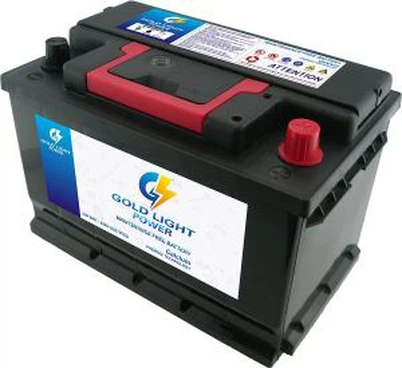
Before delving into the scale of the Agm factory, it's essential to understand what Agm batteries are. Absorbent Glass Mat (AGM) batteries are a type of valve - regulated lead - acid (VRLA) battery. They use a fiberglass mat to absorb the electrolyte, which provides several advantages such as being spill - proof, having a lower self - discharge rate, and being able to be mounted in various positions. These batteries are widely used in applications like uninterruptible power supplies (UPS), solar power systems, and automotive starting, lighting, and ignition (SLI) systems.
Production Capacity as an Indicator of Scale
One of the primary factors in determining whether an Agm factory is a large - scale enterprise is its production capacity. A large - scale Agm factory typically has high - volume production lines. These lines are designed to manufacture a significant number of batteries per day, week, or month. For instance, some well - established Agm factories can produce thousands of batteries in a single day. This high - volume production is often facilitated by advanced machinery and automation. Automated processes ensure consistent quality and high - speed production, reducing the need for excessive manual labor.
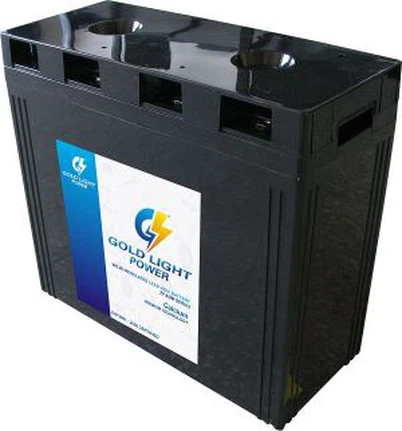
The production capacity also extends to the variety of battery products. A large - scale Agm factory usually offers a wide range of battery sizes and specifications to meet different customer needs. For example, they may produce 2V600AH AGM Rechargeable Power Battery Valve Regulated Lead Aicd Battery for Long Life Battery suitable for industrial applications where long - lasting power is required, as well as 2V800AH AGM, Gel Rechargeable Battery Deep Cycle Solar Power Battery designed for solar energy storage systems.
Workforce and Infrastructure
Another aspect to consider is the size of the workforce and the infrastructure of the factory. A large - scale Agm factory employs a substantial number of people across different departments. There are workers involved in the production process, such as battery assembly, electrolyte filling, and quality control. Additionally, there are administrative staff, engineers, and researchers who contribute to the overall operation and development of the factory.
In terms of infrastructure, a large - scale factory requires a significant amount of space. It has large manufacturing facilities, warehouses for raw materials and finished products, and office spaces for administrative tasks. The factory also needs proper waste management systems to handle the by - products of battery production, such as lead and acid waste, in an environmentally friendly manner.
Market Reach and Influence
The market reach of an Agm factory is also a crucial factor in determining its scale. A large - scale enterprise typically has a wide market presence, both domestically and internationally. They supply batteries to various industries and regions, which requires an efficient distribution network. This network includes partnerships with wholesalers, retailers, and direct sales to large - scale customers.
Moreover, a large - scale Agm factory often has a strong influence on the market. They may be involved in setting industry standards, participating in research and development initiatives, and collaborating with other companies in the battery industry. Their brand recognition is high, and they are often seen as leaders in the field.
Financial Aspects
Financially, a large - scale Agm factory has significant capital investment. They need to invest in advanced machinery, research and development, and marketing. The cost of raw materials, such as lead, acid, and fiberglass, also adds to the financial burden. However, due to their high - volume production and wide market reach, they can achieve economies of scale. This means that the cost per unit of production decreases as the production volume increases, allowing them to be more competitive in the market.
Challenges Faced by a Large - Scale Agm Factory
Despite the advantages of being a large - scale enterprise, Agm factories also face several challenges. One of the main challenges is environmental regulations. Battery production involves the use of hazardous materials, such as lead and acid, which can have a significant impact on the environment if not managed properly. Large - scale factories need to comply with strict environmental regulations, which may require additional investment in waste management and pollution control systems.
Another challenge is competition. The battery market is highly competitive, with many manufacturers offering similar products. A large - scale Agm factory needs to continuously innovate and improve its products to stay ahead of the competition. They also need to manage their costs effectively to maintain their profit margins.
Conclusion
In conclusion, an Agm factory can be considered a large - scale enterprise if it meets certain criteria. These include high production capacity, a large workforce, extensive infrastructure, wide market reach, and significant financial investment. However, being a large - scale enterprise also comes with challenges, such as environmental regulations and competition.


If you are in the market for high - quality Agm batteries, I encourage you to reach out for procurement discussions. Whether you need batteries for industrial applications, solar power systems, or other uses, we can provide you with the right solutions. Let's start a conversation and explore how we can meet your battery needs.
References
- Battery Council International. (2023). Understanding Valve - Regulated Lead - Acid Batteries.
- Journal of Power Sources. Various issues related to AGM battery technology and manufacturing.