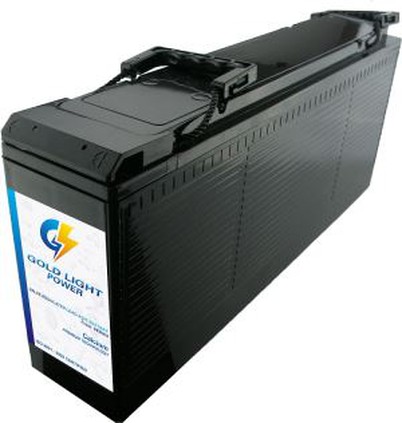
What is the difference between AGM and GEL Vrla batteries?
Leave a message

Valve-Regulated Lead-Acid (VRLA) batteries are a staple in various applications, from emergency lighting to solar-powered devices. Two common types of VRLA batteries are Absorbent Glass Mat (AGM) and Gel batteries. As a VRLA battery supplier, I often encounter questions about the differences between these two battery types. In this blog post, I'll delve into the key distinctions to help you make an informed decision when choosing the right battery for your needs.


Construction and Design
The fundamental difference between AGM and Gel VRLA batteries lies in their electrolyte suspension systems.
AGM batteries use a fine fiberglass mat to absorb and hold the electrolyte solution. This mat is placed between the battery plates, allowing for a tight fit and efficient ion transfer. The design of AGM batteries makes them spill-proof and resistant to vibration, which is ideal for applications where the battery may be subject to movement or rough handling.
On the other hand, Gel batteries use a silica-based gel to suspend the electrolyte. The gel is created by adding a thickening agent to the sulfuric acid electrolyte, which turns it into a semi-solid state. This gel holds the electrolyte in place, preventing it from spilling even if the battery is damaged or turned upside down. Gel batteries are known for their deep discharge capabilities and are often used in applications that require long periods of continuous power.
Performance Characteristics
When it comes to performance, AGM and Gel VRLA batteries have distinct characteristics that make them suitable for different applications.
Charging Efficiency
AGM batteries generally have a higher charging efficiency compared to Gel batteries. They can accept a higher charge current, which means they can be recharged more quickly. This makes AGM batteries a great choice for applications that require rapid recharging, such as emergency lighting systems that need to be ready for use at a moment's notice.
Gel batteries, however, require a slower charging rate to prevent overheating and damage to the gel electrolyte. While this may result in a longer charging time, it also contributes to the battery's long lifespan and stable performance over time.
Depth of Discharge
Gel batteries are designed to handle deep discharges better than AGM batteries. They can be discharged to a lower state of charge without significant damage to the battery plates, making them ideal for applications that require frequent deep cycling, such as off-grid solar power systems.
AGM batteries, while capable of handling some degree of deep discharge, are generally more suitable for applications where the battery is not regularly discharged below 50% of its capacity. Repeated deep discharges can shorten the lifespan of an AGM battery.
Self-Discharge Rate
The self-discharge rate is an important factor to consider, especially for applications where the battery may be stored for long periods without use. AGM batteries typically have a lower self-discharge rate compared to Gel batteries. This means that an AGM battery will retain its charge for a longer time when not in use, reducing the need for frequent recharging.
Gel batteries, on the other hand, may self-discharge at a slightly higher rate, but they are still relatively stable compared to other battery types.
Application Suitability
The differences in construction and performance characteristics make AGM and Gel VRLA batteries suitable for different applications.
AGM Batteries
AGM batteries are commonly used in applications where high power output, rapid recharging, and vibration resistance are required. Some typical applications include:
- Emergency Lighting Systems: AGM batteries can quickly recharge after a power outage, ensuring that emergency lights are ready for use when needed. For example, our OEM Factory 4V6.0AH Rechargeable Battery For Emergency Light Solar Lantern Solar Camping Lights Solar Torchlight Solar Fan Bulb is a reliable choice for emergency lighting applications.
- UPS Systems: The high power output and fast charging capabilities of AGM batteries make them ideal for uninterruptible power supply (UPS) systems, which need to provide instant power in the event of a power failure.
- Automotive Accessories: AGM batteries are often used in automotive accessories such as car audio systems and winches, where they can handle the high electrical demands and vibrations associated with these applications.
Gel Batteries
Gel batteries are well-suited for applications that require deep cycling, long lifespan, and stable performance. Some common applications include:
- Off-Grid Solar Power Systems: Gel batteries can handle the frequent deep discharges and recharges associated with off-grid solar power systems, providing reliable power storage for renewable energy applications.
- Marine Applications: The spill-proof design and deep discharge capabilities of Gel batteries make them a popular choice for marine applications, where the battery may be exposed to rough conditions and need to provide power for extended periods.
- Medical Equipment: Gel batteries are often used in medical equipment that requires a stable and reliable power source, such as portable oxygen concentrators and patient monitors.
Cost Considerations
In general, AGM batteries are more affordable than Gel batteries. The manufacturing process for AGM batteries is less complex, which results in a lower cost per unit. However, the cost of a battery should not be the only factor considered when making a purchasing decision.
While Gel batteries may have a higher upfront cost, their longer lifespan and better deep discharge capabilities can result in lower overall costs over the life of the battery, especially for applications that require frequent deep cycling.
Maintenance Requirements
Both AGM and Gel VRLA batteries are considered maintenance-free, but there are still some differences in their maintenance requirements.
AGM batteries require minimal maintenance. They do not need to be topped up with water, and their sealed design prevents the release of harmful gases during normal operation. However, it is important to ensure that the battery is charged and stored properly to maintain its performance and lifespan.
Gel batteries also require little maintenance, but they are more sensitive to overcharging and high temperatures. It is important to use a charger specifically designed for Gel batteries to prevent damage to the gel electrolyte. Additionally, Gel batteries should be stored in a cool, dry place to avoid premature aging.
Conclusion
In summary, the choice between AGM and Gel VRLA batteries depends on your specific application requirements. AGM batteries are a great choice for applications that require high power output, rapid recharging, and vibration resistance, while Gel batteries are better suited for applications that require deep cycling, long lifespan, and stable performance.
As a VRLA battery supplier, I can help you select the right battery for your needs. Whether you are looking for a reliable battery for your emergency lighting system or a long-lasting battery for your off-grid solar power system, I have the expertise and products to meet your requirements.
If you are interested in learning more about our VRLA batteries or would like to discuss your specific needs, please feel free to contact me for a consultation. I look forward to working with you to find the perfect battery solution for your application.
References
- Linden, D., & Reddy, T. B. (2002). Handbook of Batteries (3rd ed.). McGraw-Hill.
- Berndt, D. (2011). Valve-Regulated Lead-Acid Batteries. John Wiley & Sons.