What is the labor productivity in the Agm factory?
Leave a message

As a supplier for an AGM (Absorbent Glass Mat) factory, I've had the privilege of closely observing and being involved in the production processes. Labor productivity in an AGM factory is a multi - faceted concept that encompasses various elements, from the skills of the workforce to the efficiency of the production equipment and the management strategies in place.
The Importance of Labor Productivity in an AGM Factory
In the highly competitive battery manufacturing industry, labor productivity plays a crucial role in determining the factory's success. High labor productivity means that more products can be produced in less time, which directly translates into lower production costs per unit. For an AGM factory, this is especially important as the market is saturated with different battery manufacturers, and cost - effectiveness can be a key differentiator.
Moreover, high labor productivity also ensures consistent quality. When workers are efficient, they are more likely to follow standard operating procedures precisely, leading to fewer defects in the final products. In the case of AGM batteries, quality is of utmost importance as these batteries are used in a wide range of applications, from solar power storage to emergency backup systems.
Factors Affecting Labor Productivity in an AGM Factory
Workforce Skills and Training
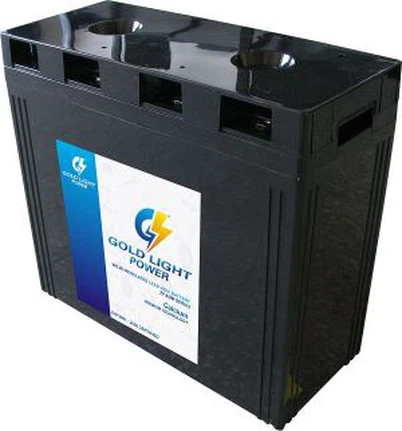
The skills and training of the workforce are fundamental to labor productivity. In an AGM factory, workers need to have a good understanding of battery manufacturing processes, including electrode preparation, electrolyte filling, and battery assembly. For example, when assembling 2V800AH AGM, Gel Rechargeable Battery Deep Cycle Solar Power Battery, workers need to handle the components with care to ensure proper alignment and connection.
Regular training programs can significantly enhance the skills of the workforce. These programs can cover new manufacturing techniques, safety procedures, and quality control measures. By investing in training, the factory can improve the efficiency of its workers, reduce the likelihood of errors, and increase overall productivity.
Production Equipment and Technology
The quality and efficiency of the production equipment also have a major impact on labor productivity. Modern and well - maintained equipment can automate many of the repetitive tasks in battery manufacturing, allowing workers to focus on more complex and value - added activities. For instance, automated electrode cutting and pasting machines can increase the speed and accuracy of electrode preparation, reducing the time and effort required by workers.
In addition, advanced technology can also improve the monitoring and control of the production process. Real - time data collection and analysis systems can help identify bottlenecks in the production line and allow for timely adjustments. This ensures that the production process runs smoothly and that workers can operate at their highest efficiency.
Management Strategies
Effective management strategies are essential for maximizing labor productivity. A good management team can create a positive work environment, set clear goals and expectations, and provide appropriate incentives for workers. For example, performance - based bonus systems can motivate workers to increase their productivity.
Moreover, proper production planning and scheduling are crucial. By optimizing the production sequence and resource allocation, the factory can minimize idle time and ensure that workers are always engaged in productive activities. For example, when producing 2V600AH AGM Rechargeable Power Battery Valve Regulated Lead Aicd Battery for Long Life Battery, the management should plan the production schedule to ensure that all the necessary raw materials are available at the right time and that the production line is not over - or under - utilized.
Measuring Labor Productivity in an AGM Factory
There are several ways to measure labor productivity in an AGM factory. One common method is to calculate the output per labor hour. This can be done by dividing the total number of batteries produced in a given period by the total number of labor hours worked during that period. For example, if a factory produces 1000 AGM batteries in a week and the total number of labor hours worked is 2000, the output per labor hour is 0.5 batteries.
Another important metric is the value - added per labor hour. This takes into account not only the quantity of output but also the value of the products. Value - added can be calculated by subtracting the cost of raw materials and other inputs from the selling price of the products. By measuring the value - added per labor hour, the factory can get a more accurate picture of the efficiency of its workforce in creating value.
Improving Labor Productivity in an AGM Factory
Continuous Improvement Initiatives
Continuous improvement initiatives, such as Lean manufacturing and Six Sigma, can be very effective in improving labor productivity. Lean manufacturing focuses on eliminating waste in the production process, such as overproduction, waiting time, and unnecessary movement. By implementing Lean principles, the factory can streamline its operations, reduce costs, and increase productivity.


Six Sigma, on the other hand, aims to reduce defects and variability in the production process. By using statistical methods to identify and eliminate the root causes of problems, the factory can improve the quality of its products and increase the efficiency of its workforce.
Employee Engagement
Engaging employees in the improvement process is also crucial. Workers are often the ones who have the best understanding of the production process and can provide valuable insights into how to improve it. By encouraging employees to participate in problem - solving teams and suggesting improvement ideas, the factory can tap into their creativity and knowledge, leading to increased productivity.
Conclusion
Labor productivity in an AGM factory is a complex but crucial concept. It is influenced by a variety of factors, including workforce skills, production equipment, and management strategies. By measuring labor productivity accurately and implementing effective improvement initiatives, an AGM factory can increase its competitiveness in the market, produce high - quality products at a lower cost, and ensure long - term success.
If you are interested in purchasing high - quality AGM batteries or want to discuss potential cooperation opportunities, we welcome you to reach out for procurement negotiations. We are committed to providing you with the best products and services based on our efficient production processes and high labor productivity.
References
- Manufacturing Productivity: Concepts, Measures, and Empirical Evidence.
- Lean Manufacturing for Battery Production: A Case Study.
- Six Sigma in the Battery Industry: Improving Quality and Productivity.