What is the management model of the Agm factory?
Leave a message

As a supplier to the AGM factory, I've had the privilege of closely observing its management model. The AGM factory operates in a highly structured yet dynamic environment, integrating advanced technologies with efficient human resource management to ensure high - quality production and sustainable business growth.
1. Production - Oriented Management
The AGM factory's management model is fundamentally production - oriented. It starts with a clear understanding of the market demand. The marketing and sales teams are responsible for gathering data on customer needs, industry trends, and competitor activities. This information is then fed into the production planning phase.
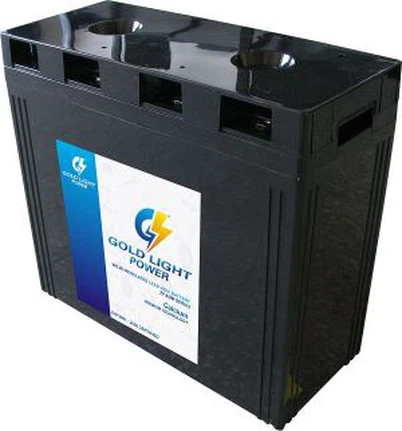
In terms of product variety, the factory offers a wide range of AGM batteries, such as the 2V600AH AGM Rechargeable Power Battery Valve Regulated Lead Aicd Battery for Long Life Battery and the 2V800AH AGM, Gel Rechargeable Battery Deep Cycle Solar Power Battery. The production management focuses on optimizing the manufacturing process for each product type.
The factory has adopted a lean production system. This means that waste reduction is a top priority. The production line is designed to minimize non - value - added activities, such as over - production, inventory holding, and unnecessary transportation. For example, raw materials are delivered just in time to the production line, reducing the need for large - scale warehousing. The management also emphasizes continuous improvement. Workers and supervisors are encouraged to identify and eliminate inefficiencies in the production process regularly.
2. Quality Control Management
Quality control is the cornerstone of the AGM factory's management model. A multi - stage quality control system is in place. At the raw material stage, strict inspections are carried out to ensure that only high - quality materials enter the production process. For instance, the lead used in the batteries must meet specific purity and chemical composition standards.
During the production process, in - line quality checks are conducted at various intervals. This involves both manual and automated inspections. Automated testing equipment is used to measure parameters such as voltage, capacity, and internal resistance of the batteries. Workers are also trained to perform visual inspections for any physical defects.
Once the batteries are produced, they go through a final round of comprehensive testing. This includes performance testing under different operating conditions, such as high and low temperatures, to ensure that they meet the required standards. Only after passing all these tests are the batteries allowed to leave the factory. The quality control department is also responsible for handling customer complaints related to product quality and coordinating with the production department to implement corrective actions.
3. Human Resource Management
The AGM factory recognizes that its employees are its most valuable asset. The management model emphasizes employee training and development. New employees undergo a comprehensive onboarding program that familiarizes them with the factory's operations, safety procedures, and quality standards.
Ongoing training is provided to keep employees updated with the latest technologies and production methods. For example, battery technology is constantly evolving, and employees need to learn about new electrolyte formulations, separator materials, and charging algorithms.


The management also creates a positive work environment. Competitive salaries and benefits are offered to attract and retain top talent. In addition, employee engagement programs are organized regularly. These programs may include team - building activities, safety competitions, and suggestions for process improvement. The factory encourages an open - door policy, where employees can freely communicate their ideas and concerns to the management.
4. Supply Chain Management
As a supplier to the AGM factory, I have seen firsthand the importance of its supply chain management. The factory has built strong partnerships with its suppliers. A rigorous supplier selection process is in place, considering factors such as quality, price, delivery reliability, and environmental compliance.
The factory uses a demand - driven supply chain model. Based on the production plan, the purchasing department places orders with suppliers in a timely manner. To reduce the risk of supply disruptions, the factory has established multiple sourcing options for critical raw materials. For example, if one supplier of lead experiences production problems, the factory can quickly switch to another supplier.
Inventory management is also a key aspect of the supply chain management. The factory uses inventory management software to monitor stock levels in real - time. This allows the management to optimize inventory levels, balancing the need to have sufficient inventory to meet production demands and minimizing the costs associated with holding excess inventory.
5. Environmental and Safety Management
In today's era, environmental and safety management are integral parts of any manufacturing business. The AGM factory is committed to environmental protection. It has implemented a series of measures to reduce its environmental impact. For example, the battery production process generates waste, including lead - containing waste. The factory has established a proper waste management system to ensure that these wastes are treated and disposed of in an environmentally friendly manner.
Safety is also a top priority. The factory has strict safety regulations and procedures in place. Employees are required to wear appropriate personal protective equipment (PPE) at all times. Regular safety training sessions are conducted to raise employees' awareness of potential hazards in the workplace. Safety inspections are carried out frequently to identify and eliminate safety risks.
Conclusion
In conclusion, the management model of the AGM factory is a comprehensive system that integrates production, quality control, human resources, supply chain, and environmental and safety management. Each aspect of the management model is interrelated and works together to ensure the factory's smooth operation and success in the market.
If you are in the market for high - quality AGM batteries, whether it's the 2V600AH AGM Rechargeable Power Battery Valve Regulated Lead Aicd Battery for Long Life Battery or the 2V800AH AGM, Gel Rechargeable Battery Deep Cycle Solar Power Battery, we encourage you to consider engaging in procurement discussions with the AGM factory. By communicating your specific needs, you can benefit from the factory's advanced management model and high - quality products.
References
- Johnson, M. and Smith, R. (2018). Manufacturing Management Best Practices. New York: Industrial Press.
- Brown, A. (2020). Supply Chain Management in the Battery Industry. London: Logistics Publishing.
- Green, T. (2019). Human Resource Strategies for Manufacturing Firms. Chicago: HR Books Inc.