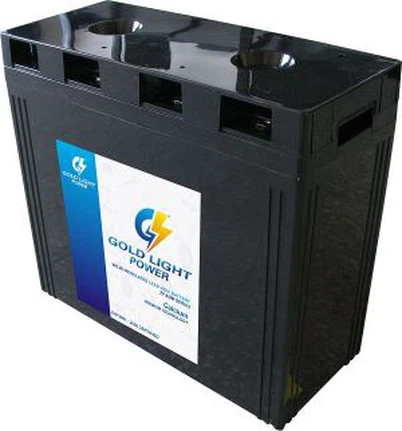
What is the power density of an Smf Battery?
Leave a message

Power density is a crucial metric when evaluating the performance of any battery, including Sealed Maintenance-Free (SMF) batteries. As a supplier of SMF batteries, understanding and communicating the power density of our products is essential for our customers to make informed decisions. In this blog post, we'll delve into what power density means, how it applies to SMF batteries, and why it matters in various applications.
What is Power Density?
Power density is defined as the amount of power per unit volume or mass of a battery. It is typically expressed in watts per liter (W/L) for volumetric power density or watts per kilogram (W/kg) for gravimetric power density. In simpler terms, power density tells us how much power a battery can deliver relative to its size or weight.
A high power density battery can provide a large amount of power in a small and lightweight package. This is particularly important in applications where space and weight are at a premium, such as in portable electronics, electric vehicles, and aerospace. On the other hand, a battery with low power density may be bulkier and heavier but could still be suitable for applications where high power output is not the primary concern.
Power Density in SMF Batteries
SMF batteries, also known as valve-regulated lead-acid (VRLA) batteries, are a popular choice for many applications due to their maintenance-free operation, sealed design, and relatively low cost. These batteries use a recombinant technology that allows the oxygen and hydrogen gases generated during charging to recombine into water, eliminating the need for regular water addition.
The power density of an SMF battery depends on several factors, including its design, chemistry, and manufacturing process. The plate material, the number of plates, and the electrolyte composition all play a role in determining how much power the battery can deliver. For example, batteries with thinner plates and a higher number of plates generally have a higher power density because they offer a larger surface area for electrochemical reactions.
Measuring Power Density in SMF Batteries
To measure the power density of an SMF battery, we first need to determine its power output and its volume or mass. The power output is calculated by multiplying the battery's voltage by the current it can deliver. This can be measured under specific conditions, such as a constant discharge rate or a pulse discharge.
Once we have the power output, we divide it by the battery's volume (for volumetric power density) or mass (for gravimetric power density). For example, if an SMF battery has a power output of 1000 watts and a volume of 10 liters, its volumetric power density would be 100 W/L.
It's important to note that the power density of an SMF battery can vary depending on the discharge rate and temperature. Higher discharge rates and lower temperatures generally result in a lower power density because the battery's internal resistance increases, reducing the amount of power it can deliver.
Importance of Power Density in Different Applications
Automotive Applications
In the automotive industry, power density is a critical factor in the performance of starting, lighting, and ignition (SLI) batteries. A high power density battery can provide the high current needed to start the engine quickly, especially in cold weather conditions. For example, our DIN60 12v 60ah MF Super Capacity Car Battery is designed to offer a high power density, ensuring reliable engine starting and long service life.
Uninterruptible Power Supplies (UPS)
UPS systems are used to provide backup power in case of a mains power failure. A high power density SMF battery can deliver the required power quickly, allowing the UPS to switch on seamlessly and keep critical equipment running. Our Korean 12v88ah Standard Lead Acid Mf Car Battery MF DIN is an excellent choice for UPS applications due to its high power density and stable performance.
Renewable Energy Systems
In renewable energy systems such as solar and wind power, SMF batteries are used to store the energy generated during periods of high production and release it when needed. A high power density battery can store more energy in a smaller space, making it more cost-effective and efficient. Our Korean Style Quick Start Car Battery N70Z MF 12V75AH Maintenance Free Car Battery can also be used in renewable energy storage applications, providing a reliable and high-performance energy storage solution.
Factors Affecting the Power Density of SMF Batteries
Plate Design
As mentioned earlier, the plate design has a significant impact on the power density of an SMF battery. Thinner plates with a larger surface area allow for faster electrochemical reactions, resulting in a higher power output. However, thinner plates may also have a shorter lifespan due to increased mechanical stress.
Electrolyte Composition
The electrolyte in an SMF battery is typically a mixture of sulfuric acid and water. The concentration of sulfuric acid affects the battery's conductivity and the rate of electrochemical reactions. A higher acid concentration generally results in a higher power density, but it can also increase the battery's self-discharge rate and reduce its lifespan.
Temperature
Temperature has a profound effect on the power density of an SMF battery. At low temperatures, the battery's internal resistance increases, reducing its power output. Conversely, at high temperatures, the battery's chemical reactions occur more rapidly, but this can also lead to increased self-discharge and accelerated aging.
Improving the Power Density of SMF Batteries
As a supplier of SMF batteries, we are constantly looking for ways to improve the power density of our products. This involves research and development in areas such as plate design, electrolyte composition, and manufacturing processes.


One approach is to use advanced materials for the battery plates, such as lead-calcium alloys, which can offer a higher power density and longer lifespan. Another approach is to optimize the electrolyte composition to improve the battery's conductivity and reduce its internal resistance.
We also invest in state-of-the-art manufacturing equipment and processes to ensure consistent quality and performance. By controlling the manufacturing parameters, we can produce batteries with a higher power density and better overall performance.
Conclusion
Power density is a key parameter in evaluating the performance of SMF batteries. It determines how much power a battery can deliver relative to its size and weight, making it an important consideration in various applications. As a supplier of SMF batteries, we are committed to providing our customers with high-quality products that offer a competitive power density.
If you are interested in learning more about our SMF batteries or would like to discuss your specific requirements, please feel free to contact us for a detailed discussion and procurement opportunities. We look forward to partnering with you to meet your energy storage needs.
References
- Linden, D., & Reddy, T. B. (2002). Handbook of Batteries. McGraw-Hill.
- Berndt, D. (2000). Lead-Acid Batteries: Science and Technology. Springer.
- Rand, D. A. J., Moseley, P. T., Garche, J., & Parker, C. (2004). Valve-Regulated Lead-Acid Batteries. Elsevier.