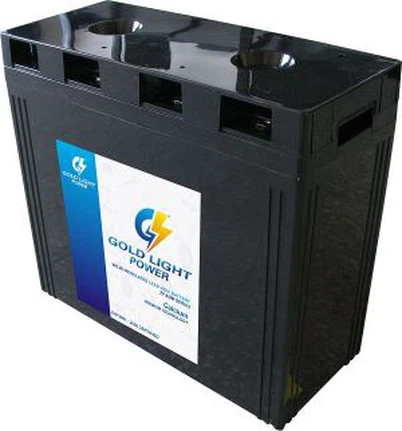
Can a lead battery be used in boats?
Leave a message

Can a lead battery be used in boats? This is a question that many boat owners and enthusiasts often ask. As a lead battery supplier, I'm here to provide you with in - depth information on this topic.
The Suitability of Lead Batteries for Boats
When it comes to powering boats, lead batteries have several characteristics that make them a viable option.
Energy Storage
One of the primary requirements for a boat battery is the ability to store energy. Lead batteries, especially deep - cycle lead - acid batteries, are well - known for their capacity to store a significant amount of energy. They can provide a steady supply of power over an extended period, which is crucial for boats. Whether you're using the battery to start the engine, power the navigation equipment, or run the onboard lighting, a lead battery can meet these energy demands. For example, our 2V600AH AGM Rechargeable Power Battery Valve Regulated Lead Aicd Battery for Long Life Battery has a large capacity that can ensure continuous power supply on your boat.
Cost - Effectiveness
Cost is always a significant factor in any purchasing decision. Lead batteries are generally more affordable compared to some other types of batteries, such as lithium - ion batteries. This makes them an attractive option for boat owners on a budget. You can get a high - capacity lead battery at a relatively low cost, which is especially beneficial for those who own smaller boats or are just starting out in boating.
Durability
Lead batteries are designed to withstand harsh marine environments. They are resistant to vibrations, which are common on boats due to engine operation and wave movement. Additionally, modern lead batteries, like AGM (Absorbent Glass Mat) and gel batteries, are sealed, which means they are less likely to leak acid and can be installed in various positions without the risk of spillage. Our 2V800AH AGM, Gel Rechargeable Battery Deep Cycle Solar Power Battery is a great example of a durable lead battery suitable for boats. It can handle the rough conditions at sea and provide long - term service.
Types of Lead Batteries for Boats
There are mainly three types of lead batteries commonly used in boats: flooded lead - acid batteries, AGM batteries, and gel batteries.
Flooded Lead - Acid Batteries
Flooded lead - acid batteries are the traditional type of lead batteries. They have a liquid electrolyte that needs to be maintained. This means you have to regularly check the water level and add distilled water when necessary. However, they are relatively inexpensive and can provide high cranking amps, which are useful for starting the boat engine.
AGM Batteries
AGM batteries use a fiberglass mat to hold the electrolyte. This design offers several advantages. Firstly, they are maintenance - free, so you don't have to worry about checking the water level. Secondly, they have a low self - discharge rate, which means they can hold their charge for a longer time when not in use. They also have a high charge acceptance rate, allowing them to recharge quickly.
Gel Batteries
Gel batteries use a silica gel to immobilize the electrolyte. They are extremely resistant to deep discharges and can handle high - current loads. Gel batteries are also maintenance - free and have a long service life. They are a great choice for boats that require a reliable and long - lasting power source.
Considerations When Using Lead Batteries in Boats
While lead batteries have many advantages for boats, there are also some considerations that boat owners should keep in mind.
Charging
Proper charging is essential for the longevity of lead batteries. Overcharging can cause the battery to overheat and reduce its lifespan, while undercharging can lead to sulfation, which also damages the battery. It's important to use a charger specifically designed for lead batteries and follow the manufacturer's charging instructions.
Ventilation
Although AGM and gel batteries are sealed, flooded lead - acid batteries produce hydrogen gas during charging. Adequate ventilation is required to prevent the build - up of this potentially explosive gas. Make sure your boat's battery compartment is well - ventilated to ensure safety.
Temperature
Temperature can have a significant impact on the performance of lead batteries. Extreme cold can reduce the battery's capacity, while high temperatures can accelerate the aging process. Try to keep the battery in a temperature - controlled environment as much as possible.
Comparison with Other Battery Types
When considering using lead batteries in boats, it's also important to compare them with other battery types, such as lithium - ion batteries.
Lithium - Ion Batteries
Lithium - ion batteries are known for their high energy density, which means they can store more energy in a smaller and lighter package. They also have a longer lifespan and a faster charging time compared to lead batteries. However, they are much more expensive. For boat owners who can afford the higher cost and need a lightweight and high - performance battery, lithium - ion batteries may be a better choice. But for most budget - conscious boat owners, lead batteries still offer a great balance of performance and cost.


Conclusion
In conclusion, lead batteries can definitely be used in boats. They offer a cost - effective, durable, and reliable power solution. With the right type of lead battery, such as AGM or gel batteries, and proper maintenance, you can ensure a long - lasting and efficient power supply for your boat. Whether you're a weekend sailor or a professional boater, lead batteries can meet your energy needs.
If you're interested in purchasing lead batteries for your boat, we are here to assist you. We have a wide range of lead batteries with different capacities and specifications to suit your specific requirements. Contact us for more information and let's start a discussion about how we can provide the best battery solution for your boat.
References
- Battery University. "Lead - Acid Batteries."
- Marine How - To Guides. "Choosing the Right Battery for Your Boat."