Can AGM batteries be mounted in any position?
Leave a message

AGM, or Absorbent Glass Mat, batteries are a popular choice in various applications, from automotive to renewable energy systems. As a supplier of AGM batteries, I often encounter a common question from customers: Can AGM batteries be mounted in any position? In this blog post, I'll delve into the technical aspects of AGM batteries, explore the implications of different mounting positions, and provide practical guidance based on our experience in the industry.
Understanding AGM Batteries
Before discussing mounting positions, it's essential to understand the basic structure and working principle of AGM batteries. AGM batteries are a type of valve-regulated lead-acid (VRLA) battery. The key feature of AGM batteries is the absorbent glass mat separator, which is placed between the positive and negative plates. This mat is designed to absorb and hold the electrolyte in a semi - solid state, rather than having free - flowing liquid electrolyte as in traditional flooded lead - acid batteries.
The use of the AGM separator offers several advantages. It provides excellent electrical conductivity, allows for a high rate of charge and discharge, and reduces the risk of electrolyte leakage. Additionally, AGM batteries are maintenance - free, have a low self - discharge rate, and can withstand vibration and shock better than flooded batteries.
Ideal Mounting Positions
In general, AGM batteries are designed to be more flexible in terms of mounting positions compared to flooded lead - acid batteries. The ideal mounting position for most AGM batteries is the upright position. When mounted upright, the internal components of the battery are in their optimal configuration. The electrolyte is evenly distributed within the absorbent glass mat, and the gas recombination process, which is crucial for the battery's performance and longevity, works most efficiently.
In the upright position, the oxygen generated at the positive plate during charging can easily diffuse to the negative plate, where it recombines with hydrogen to form water. This recombination process helps to maintain the electrolyte level and reduces the need for water addition. Moreover, the upright position minimizes the risk of any potential short - circuits that could occur if the electrolyte were to accumulate in an abnormal way due to an improper mounting position.
Other Mounting Positions
While the upright position is ideal, AGM batteries can often be mounted in other positions, such as on their side or even upside down, depending on the specific design and manufacturer's specifications.
Side Mounting
Many AGM batteries can be safely mounted on their side. When a battery is mounted on its side, the electrolyte distribution within the absorbent glass mat may change slightly. However, as long as the mat remains saturated with electrolyte, the battery can still function properly. Some manufacturers design their AGM batteries with features that ensure proper electrolyte distribution even in side - mounted applications.
Side - mounting can be useful in applications where space is limited, such as in some compact electronic devices or small vehicles. For example, in a motorcycle or a small marine craft, side - mounting the AGM battery can save valuable space and allow for a more efficient use of the available area.
Upside - Down Mounting
Upside - down mounting is more challenging and is not recommended for all AGM batteries. Some high - quality AGM batteries are specifically designed to be mounted upside down, but this requires careful engineering and design considerations.
When a battery is mounted upside down, the gas recombination process can be affected. The oxygen generated at the positive plate may have a harder time reaching the negative plate for recombination. Additionally, there is a higher risk of electrolyte pooling in certain areas, which could lead to uneven charging and discharging, and potentially reduce the battery's lifespan.
If you need to mount an AGM battery upside down, it's crucial to consult the manufacturer's documentation. They can provide guidance on whether their specific battery model is suitable for this type of mounting and any additional precautions that need to be taken.
Factors Affecting Mounting Positions
Several factors can influence whether an AGM battery can be mounted in a particular position:
Battery Design
The internal design of the battery plays a significant role. Batteries with a more robust and well - engineered internal structure are more likely to tolerate non - upright mounting positions. For example, some batteries have special channels or features in the absorbent glass mat to ensure proper electrolyte distribution regardless of the mounting position.
Application Requirements
The application in which the battery is used also matters. In high - performance applications, such as in a solar power system where the battery needs to provide a consistent and reliable power supply, it's generally best to use the upright mounting position to ensure optimal performance. On the other hand, in less demanding applications, such as in a small backup power system for a home security system, side - mounting may be acceptable.
Operating Conditions
The operating conditions, including temperature and vibration, can also affect the battery's performance in different mounting positions. High temperatures can accelerate the chemical reactions inside the battery, and improper mounting positions may exacerbate these effects. Similarly, excessive vibration can cause the electrolyte to move within the absorbent glass mat, potentially leading to uneven distribution and reduced performance.
Our Product Range and Mounting Considerations
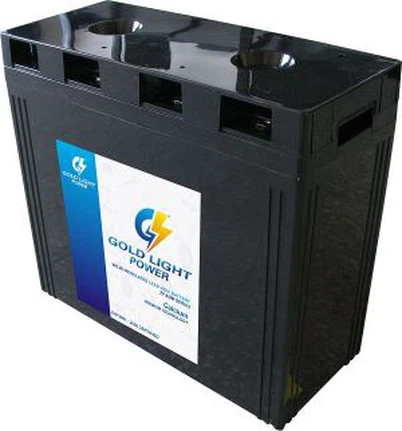
As an AGM battery supplier, we offer a wide range of products to meet different customer needs. Our 2V800AH AGM, Gel Rechargeable Battery Deep Cycle Solar Power Battery is designed for deep - cycle applications, such as solar power systems. This battery is suitable for upright and side - mounting positions, ensuring flexibility in installation.


Another popular product in our portfolio is the 2V600AH AGM Rechargeable Power Battery Valve Regulated Lead Aicd Battery for Long Life Battery. It is engineered for long - term use and can also be mounted in various positions, depending on the specific requirements of the application.
Conclusion and Call to Action
In conclusion, while AGM batteries offer more flexibility in mounting positions compared to flooded lead - acid batteries, it's important to follow the manufacturer's guidelines. The upright position is generally the best for optimal performance and longevity, but side - mounting can often be a viable option, and upside - down mounting may be possible for some specially designed batteries.
If you're considering purchasing AGM batteries for your application, we're here to help. Our team of experts can provide detailed information on the mounting options for our products and assist you in choosing the right battery for your needs. Whether you're working on a solar power project, an automotive application, or any other system that requires reliable power storage, we have the solutions you're looking for. Contact us today to start a discussion about your battery requirements and explore the possibilities of our high - quality AGM batteries.
References
- Linden, D., & Reddy, T. B. (2002). Handbook of Batteries. McGraw - Hill.
- Duffy, B. (2013). Battery Power for Photovoltaic Systems. Earthscan.