Can I use a battery desulfator on an AGM battery?
Leave a message

As an AGM battery supplier, I often get asked all sorts of questions about our products. One question that pops up quite a bit is, "Can I use a battery desulfator on an AGM battery?" Let's dig into this topic and find out the answer.
First off, let's understand what AGM batteries are. AGM stands for Absorbent Glass Mat. These batteries are a type of valve - regulated lead - acid (VRLA) battery. The electrolyte in an AGM battery is absorbed into a fiberglass mat, which makes them spill - proof and maintenance - free for the most part. They're widely used in a variety of applications, from solar power systems to vehicles, because of their durability and reliability.
Now, what's a battery desulfator? A battery desulfator is a device designed to remove sulfate crystals from the lead plates inside a battery. Over time, when a lead - acid battery discharges, lead sulfate crystals form on the plates. If these crystals aren't re - dissolved during the charging process, they can build up and harden, reducing the battery's capacity and lifespan. That's where a desulfator comes in. It sends high - frequency pulses to break down these sulfate crystals and restore the battery's performance.
So, can you use a desulfator on an AGM battery? The short answer is, it depends.
Some desulfators work well with AGM batteries. Since AGM batteries are still lead - acid batteries at their core, the principle of desulfation can apply. The high - frequency pulses from the desulfator can potentially break down the sulfate crystals on the AGM battery's plates, just like in a regular flooded lead - acid battery. This can help extend the battery's life and improve its performance.
However, there are some important considerations. AGM batteries are designed differently from flooded lead - acid batteries. The fiberglass mat in an AGM battery holds the electrolyte in place, and the battery is sealed. This means that the internal environment of an AGM battery is more delicate compared to a flooded battery.
If the desulfator is not properly calibrated, it could cause problems. For example, if the frequency or amplitude of the pulses is too high, it could damage the fiberglass mat or cause overheating in the battery. Overheating can lead to the breakdown of the electrolyte and the drying out of the battery, which can significantly reduce its lifespan.


Another thing to keep in mind is that not all AGM batteries suffer from sulfation to the same extent. Some AGM batteries are used in applications where they're constantly maintained and charged properly. In these cases, the build - up of sulfate crystals may be minimal, and using a desulfator may not provide any significant benefits.
On the other hand, if an AGM battery has been deeply discharged or has been sitting idle for a long time without proper charging, it's more likely to have sulfation issues. In such cases, a desulfator could potentially be a useful tool to revive the battery.
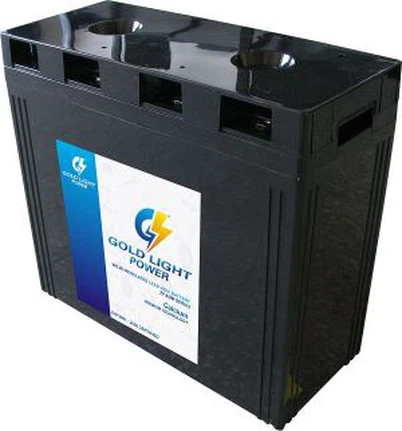
Let me share some of our products with you. We offer high - quality AGM batteries like the 2V800AH AGM, Gel Rechargeable Battery Deep Cycle Solar Power Battery and the 2V600AH AGM Rechargeable Power Battery Valve Regulated Lead Aicd Battery for Long Life Battery. These batteries are designed for long - term use and high - performance applications. But if you ever face sulfation issues with them, you might be considering a desulfator.
Before using a desulfator on your AGM battery, here are some steps you should take:
- Check the battery manufacturer's recommendations: Most AGM battery manufacturers provide guidelines on whether desulfators can be used with their products. Some may even recommend specific desulfators. Make sure to follow these recommendations to avoid voiding the battery's warranty.
- Inspect the battery: Look for signs of physical damage, such as cracks or leaks. If the battery is damaged, using a desulfator could make the situation worse.
- Test the battery: Use a battery tester to check the battery's voltage, capacity, and state of charge. This will give you an idea of how much sulfation there might be and whether a desulfator could be beneficial.
If you decide to use a desulfator, start with a low - power setting and monitor the battery closely. Check for any signs of overheating, swelling, or changes in performance. If you notice any issues, stop using the desulfator immediately.
In conclusion, using a battery desulfator on an AGM battery can be a viable option in some cases, but it requires careful consideration. You need to understand the battery's condition, follow the manufacturer's guidelines, and monitor the process closely. If you're unsure, it's always a good idea to consult with a professional or the battery manufacturer.
If you're interested in our AGM batteries or have any questions about desulfation or battery maintenance, feel free to reach out. We're here to help you make the best decisions for your power needs. Whether you're in the market for a new battery or looking for solutions to extend the life of your existing one, we've got you covered. Let's start a conversation and see how we can work together to meet your requirements.
References
- Battery University, "Lead - Acid Battery State - of - Health"
- AGM Battery Manufacturers' Technical Manuals