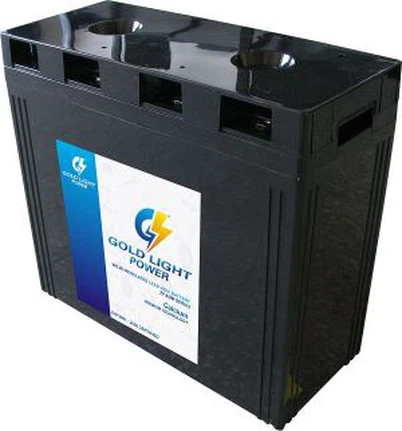
Can Vrla batteries be used in off - grid power systems?
Leave a message

Can Vrla batteries be used in off - grid power systems?
Off - grid power systems have gained significant popularity in recent years, especially in remote areas or for those seeking energy independence. These systems rely on energy storage solutions to store excess energy generated by renewable sources like solar panels or wind turbines for use during periods of low or no generation. One type of battery that often comes into consideration for such applications is the Valve Regulated Lead - Acid (VRLA) battery. As a VRLA battery supplier, I am well - versed in the capabilities and limitations of these batteries in off - grid power systems.
Understanding VRLA Batteries
VRLA batteries are a type of lead - acid battery that has a valve to regulate the pressure inside the battery. This design feature makes them maintenance - free compared to traditional flooded lead - acid batteries. There are two main types of VRLA batteries: Absorbent Glass Mat (AGM) and Gel.
AGM batteries use a fiberglass mat to absorb the electrolyte, which allows for a more compact design and better resistance to vibration. Gel batteries, on the other hand, use a silica gel to immobilize the electrolyte. This makes them more resistant to overcharging and deep discharging, and they can operate in a wider temperature range.
Advantages of Using VRLA Batteries in Off - Grid Power Systems
-
Maintenance - Free Operation
One of the most significant advantages of VRLA batteries for off - grid power systems is their maintenance - free nature. In remote off - grid locations, it can be challenging to perform regular maintenance tasks such as checking and refilling electrolyte levels, which is required for flooded lead - acid batteries. VRLA batteries eliminate this need, making them a more convenient option. -
Deep - Discharge Capability
Off - grid power systems often require batteries that can handle deep discharges. VRLA batteries, especially gel batteries, are designed to withstand deep discharges without significant damage. This means that they can be discharged to a lower state of charge without reducing their overall lifespan, which is crucial for off - grid applications where the energy supply may be intermittent. -
Safety
VRLA batteries are generally safer than flooded lead - acid batteries. The valve - regulated design prevents the release of hydrogen and oxygen gases during normal operation, reducing the risk of explosion. Additionally, the immobilized electrolyte in AGM and gel batteries reduces the risk of acid spills, which is a significant safety concern, especially in off - grid installations where proper spill containment may be difficult to implement. -
Versatility
VRLA batteries come in a wide range of sizes and capacities, making them suitable for various off - grid power system requirements. Whether you have a small residential off - grid system or a large commercial installation, there is a VRLA battery that can meet your energy storage needs. For example, our 2V800AH AGM, Gel Rechargeable Battery Deep Cycle Solar Power Battery is a great option for larger off - grid systems, while the 2V600AH AGM Rechargeable Power Battery Valve Regulated Lead Aicd Battery for Long Life Battery can be used in medium - sized installations.
Challenges of Using VRLA Batteries in Off - Grid Power Systems
-
Limited Lifespan
Compared to some other battery technologies like lithium - ion batteries, VRLA batteries have a relatively limited lifespan. The number of charge - discharge cycles they can undergo is typically lower, especially if they are frequently deeply discharged. However, with proper charging and maintenance practices, the lifespan of VRLA batteries can be optimized. -
Temperature Sensitivity
VRLA batteries are sensitive to temperature. High temperatures can accelerate the self - discharge rate and reduce the battery's lifespan, while low temperatures can decrease the battery's capacity. In off - grid locations with extreme temperature variations, additional measures may be required to regulate the battery temperature, such as installing battery enclosures with insulation or heating/cooling systems. -
Higher Initial Cost
The initial cost of VRLA batteries is generally higher than that of flooded lead - acid batteries. However, when considering the long - term savings in maintenance costs and the benefits of their performance in off - grid systems, the overall cost - effectiveness can be quite favorable.
Considerations for Using VRLA Batteries in Off - Grid Power Systems
-
Proper Sizing
It is crucial to size the VRLA batteries correctly for your off - grid power system. This involves calculating the energy storage requirements based on your daily energy consumption, the capacity of your renewable energy sources, and the expected periods of low or no generation. Oversizing or undersizing the batteries can lead to inefficient operation and reduced battery lifespan.

-
Charging System Compatibility
The charging system in your off - grid power system must be compatible with VRLA batteries. VRLA batteries require a specific charging profile to ensure optimal performance and longevity. Using an incompatible charging system can lead to overcharging or undercharging, which can damage the batteries. -
Battery Monitoring
Regular battery monitoring is essential for off - grid power systems using VRLA batteries. Monitoring the state of charge, voltage, and temperature of the batteries can help detect any potential issues early and allow for timely corrective actions. This can significantly extend the lifespan of the batteries and ensure the reliable operation of the off - grid system.
Conclusion
In conclusion, VRLA batteries can be a viable option for off - grid power systems. Their maintenance - free operation, deep - discharge capability, safety, and versatility make them well - suited for many off - grid applications. However, it is essential to be aware of their limitations, such as limited lifespan, temperature sensitivity, and higher initial cost, and take appropriate measures to address these challenges.
If you are considering using VRLA batteries in your off - grid power system, I encourage you to reach out to us for more information. We have a wide range of VRLA batteries to meet your specific needs, and our team of experts can provide you with professional advice on battery sizing, charging system compatibility, and battery monitoring. Contact us today to start a discussion about your off - grid power system requirements and explore how our VRLA batteries can help you achieve energy independence.
References
- Linden, D., & Reddy, T. B. (2002). Handbook of Batteries. McGraw - Hill.
- Doherty, R., & O'Donnell, T. (2011). Energy Storage Technologies and the Integration of Renewable Energy Sources. WIT Press.