How do you ensure the safety of wholesale Agm shipments?
Leave a message

As a wholesale supplier of Absorbent Glass Mat (AGM) batteries, ensuring the safety of shipments is of utmost importance. AGM batteries are widely used in various applications, including solar power systems, backup power supplies, and electric vehicles. The safe transportation of these batteries not only protects the product but also adheres to strict international and domestic regulations. In this blog, I will share some key strategies and practices that I implement to guarantee the safety of wholesale AGM shipments.
Understanding Regulatory Requirements
The first step in ensuring the safety of AGM battery shipments is to have a comprehensive understanding of the relevant regulations. Different countries and regions have specific rules regarding the transportation of batteries, especially those containing hazardous materials. For instance, the International Air Transport Association (IATA) and the International Maritime Organization (IMO) have detailed guidelines for shipping batteries by air and sea respectively.
I make it a point to stay updated with the latest regulatory changes. I regularly consult official sources such as the IATA Dangerous Goods Regulations (DGR) and the IMO's International Maritime Dangerous Goods (IMDG) Code. These documents provide clear instructions on packaging, labeling, and documentation requirements for shipping AGM batteries. By complying with these regulations, I can avoid potential fines and ensure the smooth transit of my shipments.
Proper Packaging
Proper packaging is crucial for protecting AGM batteries during transit. AGM batteries are sensitive to physical damage, and any impact or vibration can cause internal short - circuits or electrolyte leakage. To prevent this, I use high - quality packaging materials.
For individual batteries, I use sturdy plastic or cardboard boxes that are specifically designed to fit the battery size. Inside the box, I place shock - absorbing materials such as foam inserts or bubble wrap. These materials cushion the battery and absorb any impact during handling and transportation.
When shipping multiple batteries, I use palletized packaging. The batteries are securely strapped to the pallet to prevent movement. I also use shrink - wrap to provide an additional layer of protection. This helps to keep the batteries in place and protects them from dust, moisture, and other environmental factors.
Labeling and Documentation
Accurate labeling and documentation are essential for the safety of AGM battery shipments. Each package must be clearly labeled with the appropriate hazard symbols, product information, and handling instructions. For example, I label the packages with the UN number for lead - acid batteries (UN2800 for non - spillable batteries like AGM) and the proper shipping name.
In addition to the physical labels, I also ensure that all the necessary documentation is in order. This includes a bill of lading, a dangerous goods declaration, and a safety data sheet (SDS). The SDS provides detailed information about the battery's chemical composition, potential hazards, and emergency response procedures. By providing this information, I enable the shipping carriers and handlers to take the necessary precautions during transit.


Quality Control Before Shipment
Before shipping any AGM batteries, I conduct a thorough quality control check. This includes inspecting the batteries for any visible damage, such as cracks or dents. I also test the batteries to ensure that they are fully charged and functioning properly.
I use advanced testing equipment to measure the battery's voltage, capacity, and internal resistance. If a battery fails any of these tests, it is removed from the shipment and either repaired or discarded. This helps to prevent the shipment of faulty batteries, which could pose a safety risk during transit.
Choosing the Right Shipping Partner
Selecting a reliable shipping partner is another important aspect of ensuring the safety of AGM battery shipments. I look for shipping companies that have experience in transporting hazardous materials and a good safety record.
I also consider the shipping company's handling procedures and storage facilities. A good shipping partner will have proper handling equipment and trained staff to handle AGM batteries safely. They will also store the batteries in a suitable environment, away from heat sources and other incompatible materials.
Monitoring During Transit
Once the AGM batteries are in transit, I use tracking systems to monitor their location and condition. Some shipping companies offer real - time tracking services, which allow me to know exactly where the shipment is at any given time.
In addition to location tracking, I also use sensors to monitor the temperature and vibration levels inside the shipping container. Extreme temperatures and excessive vibration can affect the performance and safety of AGM batteries. If the sensors detect any abnormal conditions, I can take immediate action, such as contacting the shipping company to adjust the handling or storage conditions.
Emergency Response Planning
Despite all the precautions, emergencies can still occur during the shipment of AGM batteries. That's why I have a comprehensive emergency response plan in place.
The plan includes procedures for dealing with battery leaks, fires, or other safety incidents. I train my staff on these procedures and ensure that they have access to the necessary emergency equipment, such as fire extinguishers and spill - containment kits.
I also have a communication plan in place to notify the relevant authorities and stakeholders in case of an emergency. This includes local fire departments, environmental agencies, and the shipping carriers. By having a well - prepared emergency response plan, I can minimize the impact of any potential safety incidents.
Examples of Safe AGM Battery Products
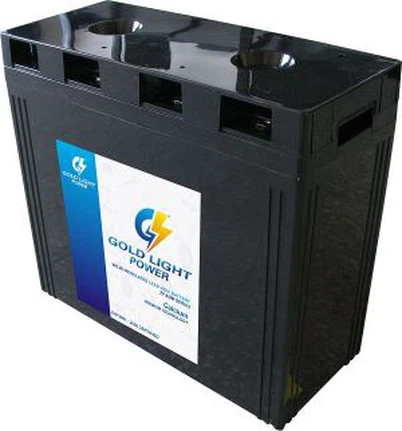
We offer a range of high - quality AGM batteries, such as the 2V800AH AGM, Gel Rechargeable Battery Deep Cycle Solar Power Battery and the 2V600AH AGM Rechargeable Power Battery Valve Regulated Lead Aicd Battery for Long Life Battery. These batteries are designed for long - term use and are manufactured with strict quality control measures to ensure their safety during operation and transportation.
Conclusion
Ensuring the safety of wholesale AGM shipments requires a multi - faceted approach. By understanding and complying with regulatory requirements, using proper packaging and labeling, conducting quality control checks, choosing the right shipping partner, monitoring during transit, and having an emergency response plan, I can minimize the risks associated with shipping AGM batteries.
If you are interested in purchasing our high - quality AGM batteries or have any questions about our shipping safety practices, please feel free to contact us for procurement discussions. We are committed to providing you with the best products and services while ensuring the highest level of safety.
References
- International Air Transport Association (IATA). Dangerous Goods Regulations.
- International Maritime Organization (IMO). International Maritime Dangerous Goods (IMDG) Code.
- Battery Council International (BCI). Standards for lead - acid batteries.