How does the Agm factory handle waste during production?
Leave a message

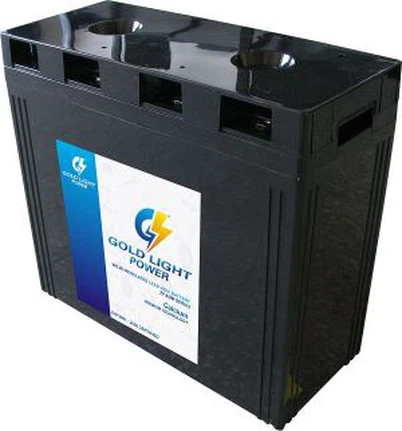
As a supplier to an AGM (Absorbent Glass Mat) factory, I've had the privilege of witnessing firsthand the meticulous processes in place for waste management during production. AGM batteries, such as the 2V600AH AGM Rechargeable Power Battery Valve Regulated Lead Aicd Battery for Long Life Battery and 2V800AH AGM, Gel Rechargeable Battery Deep Cycle Solar Power Battery, are known for their long - life and deep - cycle capabilities. However, the production of these batteries generates various types of waste, and the factory has adopted a comprehensive approach to handle it effectively.
1. Types of Waste Generated in AGM Battery Production
AGM battery production involves several complex processes, each with its own set of waste by - products.
Chemical Waste
One of the most significant types of waste is chemical waste. During the manufacturing of AGM batteries, lead and sulfuric acid are the primary raw materials. Lead dust and fumes are generated during the lead - casting and pasting processes. Sulfuric acid is used in the electrolyte, and any spillage or excess acid needs to be carefully managed. Improper handling of these chemicals can pose serious environmental and health risks, including soil and water contamination and lead poisoning.
Solid Waste
Solid waste is also a major concern. This includes scrap lead parts, such as damaged grids or excess lead from the casting process. Additionally, there is waste from the glass mat separator material. If not recycled or disposed of properly, these solid wastes can take up a large amount of landfill space and may release harmful substances over time.
Packaging Waste
Another form of waste is packaging waste. Batteries are typically packaged in cardboard boxes, plastic wraps, and wooden pallets. These materials, if not recycled, contribute to the overall waste volume and environmental impact.
2. Waste Minimization Strategies
The AGM factory I supply to has implemented several strategies to minimize waste generation at the source.
Process Optimization
The factory continuously invests in research and development to optimize its production processes. For example, in the lead - casting process, advanced molds and casting techniques are used to reduce the amount of excess lead. By improving the precision of the casting, the amount of scrap lead generated is significantly reduced. In the pasting process, automated systems are employed to ensure accurate application of the lead paste, minimizing waste due to over - pasting.
Recycling of By - products
Recycling is a key component of the waste management strategy. The factory has a well - established lead - recycling system. Scrap lead parts are collected and sent to an on - site or off - site recycling facility. The lead is melted down, refined, and reused in the production of new batteries. This not only reduces the demand for virgin lead but also saves energy and resources.
The glass mat separator material is also recycled. After being separated from the batteries, the glass mat is cleaned and processed to be used again in the production of new separators. This closed - loop recycling system helps to minimize the environmental impact of the production process.


Reusable Packaging
To reduce packaging waste, the factory has switched to reusable packaging materials whenever possible. Wooden pallets are repaired and reused multiple times, and plastic wraps are designed to be easily recyclable. Cardboard boxes are also sourced from suppliers who use recycled materials, and the factory encourages its customers to return the packaging for reuse.
3. Treatment and Disposal of Hazardous Waste
Despite waste minimization efforts, some hazardous waste still needs to be treated and disposed of properly.
Chemical Waste Treatment
For chemical waste, such as lead dust and sulfuric acid, the factory has a dedicated treatment facility. Lead dust is collected using high - efficiency particulate air (HEPA) filters in the production area. The collected lead dust is then treated to convert it into a stable form. Sulfuric acid is neutralized using appropriate reagents to reduce its acidity before being safely disposed of or recycled.
The factory also adheres to strict environmental regulations regarding the storage and transportation of chemical waste. Chemical waste is stored in specially designed containers in a secure area, and all transportation is carried out by licensed waste - management companies that follow strict safety protocols.
Solid Waste Disposal
Solid waste that cannot be recycled is disposed of in accordance with local and national regulations. Non - hazardous solid waste, such as cardboard boxes and plastic wraps, is sent to a recycling facility or a landfill if recycling is not feasible. Hazardous solid waste, such as lead - contaminated materials, is treated to reduce its toxicity before being disposed of in a licensed hazardous waste landfill.
4. Environmental Monitoring and Compliance
To ensure the effectiveness of its waste management practices, the AGM factory conducts regular environmental monitoring.
Air Quality Monitoring
Air quality is continuously monitored in the production area to detect any emissions of lead dust and other pollutants. Sensors are installed throughout the factory to measure the concentration of pollutants in the air. If the pollutant levels exceed the permitted limits, immediate corrective actions are taken, such as adjusting the ventilation system or improving the dust - collection equipment.
Water Quality Monitoring
The factory also monitors the quality of its wastewater. Any water used in the production process, such as for cleaning or cooling, is treated before being discharged into the environment. Water samples are regularly tested for the presence of lead, sulfuric acid, and other contaminants. If the water quality does not meet the regulatory standards, the treatment process is adjusted to ensure compliance.
Regulatory Compliance
The factory is fully committed to complying with all relevant environmental regulations. It maintains detailed records of its waste management activities, including waste generation, recycling, treatment, and disposal. These records are regularly audited by regulatory authorities to ensure that the factory is operating in an environmentally responsible manner.
5. Employee Training and Awareness
Employee training and awareness are crucial for the success of the waste management program.
Training Programs
The factory provides comprehensive training programs for its employees on waste management and environmental protection. New employees are required to attend an orientation session on waste handling procedures, including the proper use of personal protective equipment (PPE) when dealing with chemical waste. Regular refresher courses are also offered to keep employees updated on the latest waste management techniques and regulations.
Awareness Campaigns
In addition to training, the factory conducts awareness campaigns to promote environmental responsibility among its employees. Posters and signs are displayed throughout the factory to remind employees of the importance of waste minimization and proper waste disposal. Employee suggestions for waste reduction are encouraged, and those who contribute to successful waste - management initiatives are recognized and rewarded.
6. Conclusion and Call to Action
In conclusion, the AGM factory I supply to has a comprehensive and effective waste management system in place. Through waste minimization, recycling, proper treatment and disposal of hazardous waste, environmental monitoring, and employee training, the factory is able to reduce its environmental impact while maintaining high - quality production.
If you are in the market for high - quality AGM batteries, such as the 2V600AH AGM Rechargeable Power Battery Valve Regulated Lead Aicd Battery for Long Life Battery and 2V800AH AGM, Gel Rechargeable Battery Deep Cycle Solar Power Battery, and are concerned about environmental sustainability, we invite you to contact us for procurement discussions. By choosing our products, you are not only getting reliable and long - lasting batteries but also supporting a company that is committed to environmental protection.
References
- Environmental Protection Agency (EPA). "Battery Management and Recycling."
- International Lead Association. "Best Practices in Lead Battery Manufacturing."
- Journal of Battery Technology. "Sustainable Waste Management in Battery Production."