How does the Agm price respond to changes in central bank policies?
Leave a message

Hey there! As an AGM (Absorbent Glass Mat) price supplier, I've been keeping a close eye on how the AGM price responds to changes in central bank policies. It's a fascinating topic, and I'm excited to share my insights with you.
First off, let's talk about what central bank policies are and why they matter. Central banks, like the Federal Reserve in the United States or the European Central Bank, have a big influence on the economy. They use tools like interest rates, quantitative easing, and reserve requirements to control the money supply and stabilize the economy. When these policies change, it can have a ripple effect on various industries, including the battery market where AGM batteries play a significant role.


One of the most direct ways central bank policies affect AGM prices is through interest rates. When central banks raise interest rates, borrowing becomes more expensive. This can slow down economic growth as businesses and consumers are less likely to take out loans for big purchases or investments. In the battery industry, this could mean that companies are less willing to invest in new production facilities or expand their operations. As a result, the supply of AGM batteries might not increase as quickly as it otherwise would, which can put upward pressure on prices.
On the flip side, when central banks lower interest rates, borrowing becomes cheaper. This can stimulate economic growth as businesses and consumers are more likely to take on debt to finance their activities. In the battery market, this could lead to increased investment in production, which would increase the supply of AGM batteries. With more supply available, prices might come down.
Quantitative easing is another important central bank policy. When a central bank engages in quantitative easing, it buys financial assets, like government bonds, from the market. This injects money into the economy, increasing the money supply. The increased money supply can lead to inflation, which is the general increase in prices over time. As inflation rises, the cost of producing AGM batteries also goes up. Raw materials, labor, and energy costs all tend to increase during inflationary periods. To maintain their profit margins, battery manufacturers might have to raise the prices of their AGM batteries.
Let's take a look at some real - world examples. During the 2008 financial crisis, central banks around the world lowered interest rates to near - zero levels and engaged in large - scale quantitative easing programs. These policies were aimed at stimulating economic growth and preventing a deep recession. In the battery market, the lower interest rates made it easier for companies to invest in new technologies and expand their production capacity. However, the quantitative easing also led to some inflationary pressures. As a result, while the increased supply from new investments tried to keep prices in check, the rising production costs due to inflation meant that AGM battery prices didn't drop as much as one might have expected.
Another factor to consider is the exchange rate. Central bank policies can also affect the exchange rate of a country's currency. If a central bank raises interest rates, it can attract foreign investors looking for higher returns on their investments. This increased demand for the country's currency can cause its value to appreciate. For an AGM battery supplier like me, if the currency of the country where I'm based appreciates, it can make my batteries more expensive for foreign buyers. This can reduce the demand for my AGM batteries in the international market, which might force me to lower my prices to remain competitive.
Conversely, if a central bank lowers interest rates, the currency might depreciate. A weaker currency makes the country's exports cheaper for foreign buyers. This can increase the demand for my AGM batteries in the international market, and I might be able to raise my prices.
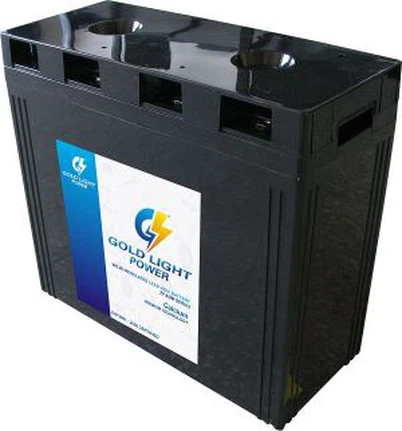
Now, let's talk about the specific products I offer. I'm a supplier of high - quality AGM batteries, such as the 2V600AH AGM Rechargeable Power Battery Valve Regulated Lead Aicd Battery for Long Life Battery and the 2V800AH AGM, Gel Rechargeable Battery Deep Cycle Solar Power Battery. These batteries are known for their long life, high performance, and reliability. They are widely used in various applications, including solar power systems, backup power supplies, and electric vehicles.
When central bank policies change, it's important for me to be flexible and adapt to the new market conditions. For example, if interest rates are rising and the cost of production is going up, I might have to adjust my prices accordingly. But at the same time, I also need to consider the competition in the market. If my competitors are able to keep their prices low, I might have to find ways to cut my costs or offer additional value to my customers to maintain my market share.
In addition to price adjustments, I also focus on product innovation. By developing new and improved AGM battery technologies, I can differentiate my products from those of my competitors. This can make my batteries more attractive to customers, even if the prices are a bit higher. For example, I might invest in research and development to improve the energy density of my AGM batteries, which would make them more efficient and longer - lasting.
As a supplier, I also keep a close eye on the regulatory environment. Central bank policies can sometimes be related to broader government regulations. For example, if a central bank is trying to promote sustainable development, it might encourage policies that support the use of renewable energy sources. This could increase the demand for AGM batteries, especially those used in solar and wind power systems. In response, I would need to ensure that I have the capacity to meet this increased demand and that my products meet the relevant regulatory standards.
To sum it up, central bank policies have a significant impact on the AGM battery prices. Interest rates, quantitative easing, and exchange rates all play important roles in determining the cost of production, supply, and demand in the battery market. As an AGM price supplier, I need to be constantly aware of these policy changes and be prepared to adapt my business strategies accordingly.
If you're in the market for high - quality AGM batteries, I'd love to have a chat with you. Whether you're a small business looking for a reliable backup power solution or a large - scale solar energy project in need of long - lasting batteries, I can offer you the right products at competitive prices. Reach out to me, and we can start a discussion about your specific needs and how I can help you.
References
- Mishkin, Frederic S. "The Economics of Money, Banking, and Financial Markets." Pearson, 2019.
- Krugman, Paul, and Robin Wells. "Macroeconomics." Worth Publishers, 2020.