How to improve the charge acceptance of a lead battery?
Leave a message

As a seasoned supplier in the lead battery industry, I've witnessed firsthand the pivotal role that charge acceptance plays in the performance and longevity of lead batteries. Charge acceptance refers to a battery's ability to efficiently absorb and store electrical energy during the charging process. A high charge acceptance rate not only ensures rapid and complete charging but also extends the battery's service life, making it a crucial factor for both consumers and businesses relying on lead batteries for power.
Understanding the Basics of Charge Acceptance
Before delving into strategies for improving charge acceptance, it's essential to understand the underlying factors that influence this critical parameter. Several key elements impact a lead battery's charge acceptance, including the battery's internal resistance, state of charge (SOC), temperature, and the design of the charging system.
Internal resistance is one of the primary factors affecting charge acceptance. A battery with high internal resistance will experience greater voltage drops during charging, resulting in reduced efficiency and slower charging rates. This can be caused by factors such as sulfation, corrosion, or poor electrode design. To improve charge acceptance, it's crucial to minimize internal resistance by using high-quality materials, optimizing electrode design, and implementing proper maintenance practices.
The state of charge (SOC) of a battery also plays a significant role in charge acceptance. A battery that is deeply discharged will typically have a higher charge acceptance rate than one that is already partially charged. This is because the chemical reactions involved in charging are more favorable at lower SOC levels. However, overcharging a battery can also lead to reduced charge acceptance and damage to the battery's internal components. Therefore, it's important to monitor the SOC of the battery and adjust the charging process accordingly.
Temperature is another critical factor that affects charge acceptance. Lead batteries perform best within a specific temperature range, typically between 20°C and 25°C. At lower temperatures, the chemical reactions within the battery slow down, reducing charge acceptance and increasing the risk of sulfation. On the other hand, high temperatures can accelerate the aging process of the battery and cause thermal runaway, leading to permanent damage. To optimize charge acceptance, it's important to maintain the battery at the appropriate temperature and use a charging system that can compensate for temperature variations.
Strategies for Improving Charge Acceptance
Now that we have a better understanding of the factors that influence charge acceptance, let's explore some practical strategies for improving this critical parameter in lead batteries.
Optimize Battery Design
One of the most effective ways to improve charge acceptance is to optimize the design of the battery itself. This includes using high-quality materials, such as pure lead or lead alloys with low impurities, to reduce internal resistance and improve conductivity. Additionally, the design of the electrodes can be optimized to increase the surface area available for chemical reactions, allowing for more efficient charging and discharging. For example, using a thinner electrode design or incorporating porous materials can significantly improve charge acceptance.
Implement Proper Charging Techniques
The charging system plays a crucial role in determining the charge acceptance of a lead battery. To ensure optimal charge acceptance, it's important to use a charging system that is specifically designed for lead batteries and can provide the appropriate charging profile. This includes using a charger that can deliver the correct voltage and current levels, as well as implementing a charging algorithm that can adjust the charging process based on the battery's SOC, temperature, and other factors.
One common charging technique used to improve charge acceptance is the use of a multi-stage charging process. This involves dividing the charging process into several stages, each with a different charging voltage and current level. For example, the initial stage may involve a high current charge to quickly replenish the battery's SOC, followed by a lower current charge to complete the charging process and prevent overcharging. This approach can help to improve charge acceptance and reduce the risk of damage to the battery.
Maintain Proper Battery Maintenance
Proper maintenance is essential for ensuring the long-term performance and charge acceptance of lead batteries. This includes regularly checking the battery's electrolyte level, cleaning the terminals to prevent corrosion, and equalizing the battery periodically to ensure that all cells are charged evenly. Additionally, it's important to store the battery in a cool, dry place and avoid overcharging or deep discharging the battery, as these can significantly reduce charge acceptance and shorten the battery's service life.


Use Advanced Battery Management Systems
Advanced battery management systems (BMS) can provide real-time monitoring and control of the charging process, helping to optimize charge acceptance and extend the battery's service life. A BMS can monitor the battery's SOC, temperature, voltage, and current levels, and adjust the charging process accordingly. For example, if the battery's temperature exceeds a certain threshold, the BMS can reduce the charging current to prevent thermal runaway. Additionally, a BMS can provide diagnostic information and alerts to help identify potential issues with the battery before they become serious.
Consider Using Additives
In some cases, the use of additives can help to improve charge acceptance in lead batteries. Additives can be added to the electrolyte to enhance the chemical reactions involved in charging and discharging, reducing internal resistance and improving conductivity. For example, some additives can help to prevent sulfation, which is a common cause of reduced charge acceptance in lead batteries. However, it's important to note that the use of additives should be carefully evaluated, as some additives may have negative effects on the battery's performance or longevity.
Our Product Offerings
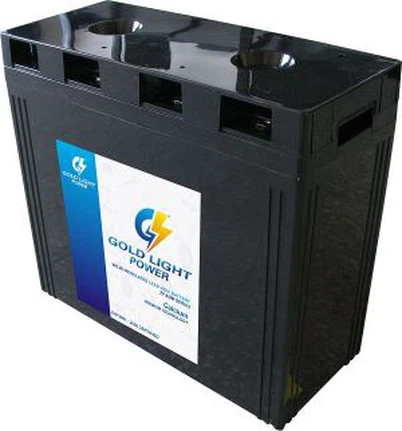
At our company, we are committed to providing high-quality lead batteries with excellent charge acceptance. Our product range includes a variety of lead batteries, including the 2V600AH AGM Rechargeable Power Battery Valve Regulated Lead Aicd Battery for Long Life Battery and the 2V800AH AGM, Gel Rechargeable Battery Deep Cycle Solar Power Battery. These batteries are designed using advanced technology and high-quality materials to ensure optimal charge acceptance and long-term performance.
Our 2V600AH AGM battery is a valve-regulated lead-acid (VRLA) battery that offers a long service life and high charge acceptance. The AGM design provides excellent resistance to vibration and shock, making it ideal for use in a variety of applications, including backup power systems, telecommunications, and renewable energy storage. The 2V800AH AGM, Gel battery is a deep cycle battery that is specifically designed for use in solar power systems. It offers excellent charge acceptance and can withstand repeated deep discharges, making it a reliable choice for off-grid and hybrid solar applications.
Conclusion
Improving the charge acceptance of lead batteries is essential for ensuring their optimal performance and longevity. By understanding the factors that influence charge acceptance and implementing the strategies outlined in this blog post, you can significantly improve the charge acceptance of your lead batteries and extend their service life. As a leading supplier of lead batteries, we are committed to providing our customers with high-quality products and expert advice on how to optimize the performance of their batteries. If you are interested in learning more about our products or have any questions about improving charge acceptance in lead batteries, please contact us to discuss your specific needs and requirements.
References
- Linden, D., & Reddy, T. B. (2002). Handbook of Batteries (3rd ed.). McGraw-Hill.
- Tarascon, J.-M., & Armand, M. (2001). Issues and challenges facing rechargeable lithium batteries. Nature, 414(6861), 359-367.
- Venkatesan, R., & Weidner, J. W. (2008). Lead-acid battery technology: A review. Journal of Power Sources, 176(1), 1-12.