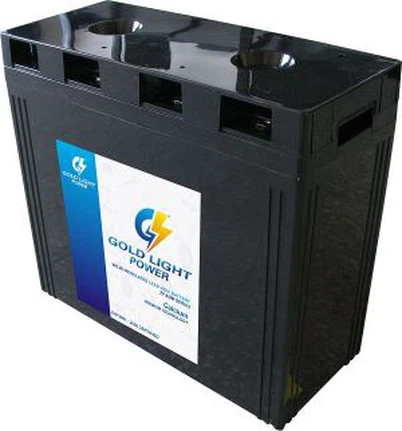
How to prevent over - discharging of a Vrla battery?
Leave a message

As a supplier of VRLA (Valve Regulated Lead Acid) batteries, I understand the critical importance of preventing over - discharging in these batteries. Over - discharging can significantly reduce the lifespan of a VRLA battery, lead to capacity loss, and in severe cases, render the battery completely unusable. In this blog, I will share some effective strategies to prevent over - discharging of VRLA batteries.


Understanding the Basics of VRLA Batteries
Before delving into prevention methods, it's essential to understand how VRLA batteries work. VRLA batteries are a type of sealed lead - acid battery. They use a valve to regulate the internal pressure and prevent the escape of gases under normal operating conditions. The electrolyte in VRLA batteries is immobilized, either in an absorbent glass mat (AGM) or a gel. This design makes them maintenance - free and suitable for a wide range of applications, from backup power systems to solar energy storage.
When a VRLA battery discharges, the lead plates inside the battery react with the sulfuric acid electrolyte. As the discharge progresses, the chemical composition of the plates and the electrolyte changes. If the battery is discharged too deeply, irreversible chemical changes can occur, such as the formation of lead sulfate crystals on the plates. These crystals can reduce the battery's capacity and make it difficult for the battery to recharge fully.
Monitoring the State of Charge
One of the most effective ways to prevent over - discharging is to monitor the state of charge (SOC) of the VRLA battery. There are several methods to measure the SOC:
Voltage Measurement
The voltage of a VRLA battery is directly related to its state of charge. By measuring the battery voltage, you can estimate how much charge is left in the battery. However, voltage measurement alone is not always accurate, as the battery voltage can be affected by factors such as temperature and the rate of discharge. For example, a battery may show a higher voltage when it is warm than when it is cold, even if the SOC is the same.
Battery Management Systems (BMS)
A more accurate way to monitor the SOC is to use a battery management system. A BMS can measure various parameters of the battery, such as voltage, current, and temperature, and calculate the SOC based on these measurements. It can also provide real - time information about the battery's health and performance. Some advanced BMSs can even communicate with other systems, such as inverters or chargers, to optimize the charging and discharging process.
Setting Up Discharge Cut - off Protection
Once you are monitoring the SOC, the next step is to set up a discharge cut - off protection mechanism. This mechanism will automatically disconnect the load from the battery when the SOC reaches a certain level.
Using a Charge Controller
In solar power systems, a charge controller can be used to prevent over - discharging. A charge controller regulates the flow of electricity between the solar panels, the battery, and the load. It can be programmed to cut off the load when the battery voltage drops below a preset level. For example, in a 12 - volt VRLA battery system, the charge controller can be set to cut off the load when the battery voltage reaches 10.5 volts, which corresponds to a relatively low state of charge.
Installing a Low - Voltage Disconnect (LVD) Device
A low - voltage disconnect device is another option for preventing over - discharging. It is a simple device that monitors the battery voltage and disconnects the load when the voltage drops below a set threshold. LVD devices are relatively inexpensive and easy to install, making them a popular choice for small - scale applications.
Proper Sizing of the Battery and Load
Proper sizing of the battery and the load is crucial to prevent over - discharging. If the battery is too small for the load, it will discharge more quickly and is more likely to be over - discharged. On the other hand, if the battery is oversized, it may not be fully utilized, which can also lead to problems over time.
Calculating the Load Requirements
Before selecting a battery, you need to calculate the load requirements. This includes determining the power consumption of all the devices that will be connected to the battery and the duration of use. For example, if you have a 100 - watt device that will be used for 5 hours a day, the total energy consumption is 500 watt - hours per day.
Selecting the Right Battery Capacity
Based on the load requirements, you can select a battery with an appropriate capacity. For example, if your daily energy consumption is 500 watt - hours and you want to have a backup for 2 days, you need a battery with a capacity of at least 1000 watt - hours. When selecting a battery, it's also important to consider the battery's depth of discharge (DOD) rating. Most VRLA batteries have a recommended DOD of around 50% to 80%. This means that you should not discharge the battery beyond this level to ensure a long lifespan.
Here are some of our high - quality VRLA batteries that are suitable for various applications: 2V600AH AGM Rechargeable Power Battery Valve Regulated Lead Aicd Battery for Long Life Battery and 2V800AH AGM, Gel Rechargeable Battery Deep Cycle Solar Power Battery. These batteries are designed to provide reliable power and have a long service life when properly maintained.
Regular Maintenance and Charging
Regular maintenance and proper charging are also essential to prevent over - discharging.
Charging the Battery Correctly
It's important to use a charger that is specifically designed for VRLA batteries. The charger should be able to provide the correct charging voltage and current to ensure that the battery is charged fully and safely. Over - charging can also damage the battery, so it's important to follow the manufacturer's recommendations for charging.
Periodic Inspections
Periodic inspections of the battery can help detect any signs of over - discharging or other problems early. Check the battery for any signs of swelling, leakage, or corrosion. If you notice any of these signs, it's important to take appropriate action, such as replacing the battery or repairing the damage.
Conclusion
Preventing over - discharging of VRLA batteries is essential for ensuring their long - term performance and reliability. By monitoring the state of charge, setting up discharge cut - off protection, properly sizing the battery and load, and performing regular maintenance and charging, you can significantly extend the lifespan of your VRLA batteries.
If you are interested in purchasing high - quality VRLA batteries or need more information about battery maintenance and over - discharge prevention, please feel free to contact us for a detailed discussion. We are committed to providing you with the best products and solutions for your power storage needs.
References
- Linden, D., & Reddy, T. B. (2002). Handbook of Batteries. McGraw - Hill.
- "Valve - Regulated Lead - Acid Batteries: Design, Performance, and Applications." Battery Council International.