What are the benefits of using automation in the Agm factory?
Leave a message

Hey there! I'm a supplier for an AGM factory, and I've seen firsthand the amazing benefits of using automation in this industry. In this blog, I'll share with you why automation is a game - changer for AGM factories.
1. Boosted Productivity
One of the most obvious benefits of automation in an AGM factory is the significant increase in productivity. Automated machines can work around the clock without getting tired. Unlike human workers who need breaks, sleep, and time off, automated systems can keep churning out products 24/7.
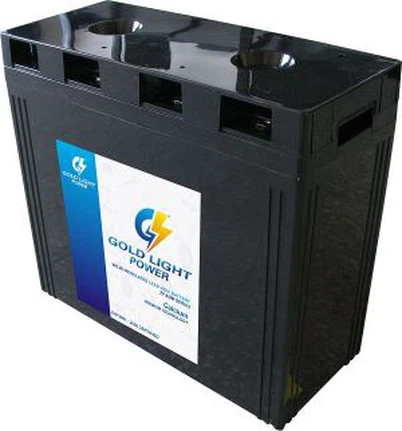
For example, in the production of AGM batteries such as the 2V600AH AGM Rechargeable Power Battery Valve Regulated Lead Aicd Battery for Long Life Battery, automated assembly lines can quickly put together the different components. They can precisely place the electrodes, add the electrolyte, and seal the battery cases at a much faster rate than manual labor. This means that the factory can produce a larger quantity of high - quality batteries in a shorter period of time.
Moreover, automation reduces the time spent on tasks that are repetitive and time - consuming. Human workers no longer have to do things like counting the number of battery cells or measuring the electrolyte volume over and over again. Automated sensors and machines can perform these tasks with high accuracy and speed, allowing the overall production process to be streamlined.
2. Enhanced Quality Control
Automation plays a crucial role in ensuring the quality of AGM batteries. Automated inspection systems can detect even the slightest defects that might be missed by human eyes. For instance, in the case of the 2V800AH AGM, Gel Rechargeable Battery Deep Cycle Solar Power Battery, automated cameras and sensors can check for cracks in the battery cases, improper electrode alignment, or inconsistent electrolyte levels.
These inspection systems are programmed to follow strict quality standards. They can quickly reject any defective products, preventing them from reaching the market. This not only improves the reputation of the factory but also reduces the number of product returns and warranty claims. With automation, the factory can maintain a high level of quality control throughout the production process, ensuring that every battery that leaves the factory meets or exceeds customer expectations.
3. Cost Savings
Although the initial investment in automation can be quite high, in the long run, it leads to significant cost savings. Firstly, labor costs are reduced. As automated machines take over many of the repetitive and labor - intensive tasks, the factory can reduce the number of workers required. This means less money spent on salaries, benefits, and training.
Secondly, automation reduces waste. Automated systems are more precise in their operations, which means they use raw materials more efficiently. For example, when filling the electrolyte in the batteries, automated dispensers can measure the exact amount needed, minimizing spillage and waste. This leads to savings in raw material costs.
In addition, automated machines are generally more reliable and have fewer breakdowns compared to manual processes. This reduces maintenance and repair costs. The factory doesn't have to worry about frequent machine stoppages due to human error or fatigue, which can disrupt the production schedule and result in additional costs.
4. Improved Workplace Safety
AGM battery production involves working with potentially hazardous materials such as lead and electrolyte. Automation helps to improve workplace safety by reducing the exposure of human workers to these dangerous substances. For example, automated robots can handle the heavy lifting of battery components and the filling of the electrolyte, keeping workers away from direct contact with these materials.
Automated systems also have built - in safety features. They can detect abnormal conditions such as overheating or electrical malfunctions and shut down automatically to prevent accidents. This protects the workers from potential harm and creates a safer working environment in the factory.
5. Flexibility and Adaptability
Automated systems in an AGM factory can be easily reprogrammed to adapt to different production requirements. If the factory needs to switch from producing one type of battery to another, such as from the 2V600AH to the 2V800AH battery, the automated assembly lines can be quickly adjusted. This allows the factory to respond more quickly to changes in market demand.
In addition, automation makes it easier to implement new production techniques and technologies. As the battery industry evolves, the factory can update its automated systems to incorporate the latest advancements, ensuring that it stays competitive in the market.
6. Data Collection and Analysis
Automation enables the collection of a large amount of data during the production process. Sensors on the automated machines can collect data on things like production speed, temperature, pressure, and quality metrics. This data can be analyzed to identify areas for improvement.
For example, if the data shows that a particular step in the production process is taking longer than expected, the factory can investigate and make adjustments to optimize the process. Data analysis can also help in predicting maintenance needs for the automated machines, reducing the risk of unexpected breakdowns. With this data - driven approach, the factory can make more informed decisions to improve efficiency and quality.
7. Competitive Advantage
In today's highly competitive battery market, having automation in the AGM factory gives a significant competitive advantage. Factories that use automation can produce high - quality batteries at a lower cost and in a shorter time. This allows them to offer more competitive prices to their customers.
Moreover, the ability to quickly adapt to market changes and maintain a high level of quality control sets them apart from their competitors. Customers are more likely to choose a factory that can provide reliable, high - quality products on time. By investing in automation, the AGM factory can stay ahead of the competition and secure a larger share of the market.
In conclusion, the benefits of using automation in an AGM factory are numerous. From increased productivity and enhanced quality control to cost savings and improved workplace safety, automation is a key factor in the success of modern AGM battery production. If you're interested in purchasing high - quality AGM batteries or want to learn more about our products, feel free to reach out to us for a procurement discussion.
References


- Industry reports on battery manufacturing automation
- Case studies of AGM factories implementing automation