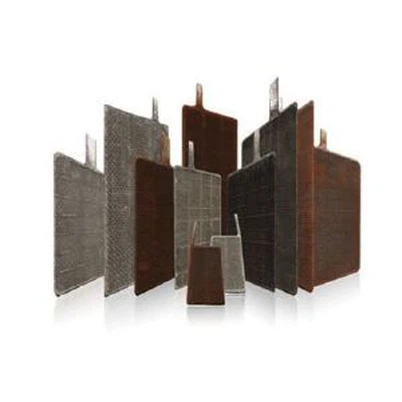
What are the common materials for battery plates?
Leave a message

When it comes to the world of battery technology, battery plates are the unsung heroes that play a pivotal role in the performance and longevity of batteries. As a leading battery plates supplier, I've had the privilege of witnessing firsthand the evolution of battery plate materials and their impact on various battery applications. In this blog post, I'll delve into the common materials used for battery plates, their unique properties, and the applications they're best suited for.
Lead-Acid Battery Plates
Lead-acid batteries are one of the oldest and most widely used types of batteries, and they rely on lead and lead dioxide as the primary materials for their plates. Here's a breakdown of the key components:
Lead
Lead is a dense, malleable metal that serves as the negative electrode (anode) in lead-acid batteries. It has excellent electrical conductivity and is relatively inexpensive, making it an ideal choice for battery plates. When the battery is discharged, lead reacts with sulfuric acid in the electrolyte to form lead sulfate. During the charging process, the lead sulfate is converted back to lead and sulfuric acid.
Lead Dioxide
Lead dioxide is a dark brown, insoluble compound that acts as the positive electrode (cathode) in lead-acid batteries. It has a high oxidation state and is capable of accepting electrons during the discharge process. Similar to lead, lead dioxide reacts with sulfuric acid to form lead sulfate during discharge and is regenerated during charging.
Advantages of Lead-Acid Battery Plates
- High Energy Density: Lead-acid batteries offer a relatively high energy density, which means they can store a significant amount of energy in a compact space.
- Low Cost: The raw materials used in lead-acid battery plates are abundant and inexpensive, making these batteries a cost-effective option for many applications.
- Reliability: Lead-acid batteries are known for their reliability and long service life, especially when properly maintained.
Applications of Lead-Acid Battery Plates
- Automotive Batteries: Lead-acid batteries are commonly used in vehicles to provide the electrical power needed to start the engine, operate the lights, and power other electrical systems.
- Uninterruptible Power Supplies (UPS): UPS systems rely on lead-acid batteries to provide backup power in the event of a power outage, ensuring the continuous operation of critical equipment.
- Renewable Energy Storage: Lead-acid batteries are also used in renewable energy systems, such as solar and wind power installations, to store excess energy generated during periods of high production for use during periods of low production.
If you're interested in lead-acid battery plates, we offer a wide range of Sealed Calcium Lead Acid Battery Plates Unformatted for Vrla and UPS Battery that are designed to meet the highest standards of quality and performance.
Calcium-Lead Battery Plates
Calcium-lead battery plates are a variation of lead-acid battery plates that incorporate calcium into the alloy. This addition of calcium offers several benefits, including improved performance and reduced maintenance requirements.
Calcium
Calcium is a lightweight, reactive metal that is added to the lead alloy in small amounts (typically less than 1%). It helps to reduce the rate of water loss during charging, which means that calcium-lead batteries require less frequent maintenance compared to traditional lead-acid batteries. Calcium also improves the corrosion resistance of the battery plates, extending their service life.
Advantages of Calcium-Lead Battery Plates
- Maintenance-Free Operation: Calcium-lead batteries are often referred to as "maintenance-free" because they require little to no water addition during their service life.
- Longer Service Life: The improved corrosion resistance of calcium-lead battery plates results in a longer service life compared to traditional lead-acid batteries.
- Higher Charging Efficiency: Calcium-lead batteries have a higher charging efficiency, which means they can be charged more quickly and with less energy loss.
Applications of Calcium-Lead Battery Plates
- Automotive Batteries: Calcium-lead battery plates are commonly used in automotive batteries, especially in vehicles that require a high level of reliability and low maintenance.
- Marine Batteries: Marine batteries are exposed to harsh environmental conditions, and calcium-lead battery plates are well-suited for these applications due to their corrosion resistance and long service life.
- Industrial Batteries: Calcium-lead battery plates are also used in a variety of industrial applications, such as forklifts, golf carts, and other electric vehicles.
We offer a range of Automotive Calcium Battery Plates Wet Battery Plates for Maintenance Free Car Battery that are designed to provide reliable performance and long service life in automotive applications.
Nickel-Cadmium (Ni-Cd) Battery Plates
Nickel-cadmium (Ni-Cd) batteries are rechargeable batteries that use nickel oxide hydroxide as the positive electrode and cadmium as the negative electrode. While Ni-Cd batteries have been largely replaced by other battery technologies in many applications, they still offer some unique advantages.
Nickel Oxide Hydroxide
Nickel oxide hydroxide is a black, insoluble compound that serves as the positive electrode in Ni-Cd batteries. It has a high energy density and is capable of delivering a relatively high voltage. During the discharge process, nickel oxide hydroxide accepts electrons from the cadmium electrode, and during charging, it releases electrons back to the cadmium electrode.
Cadmium
Cadmium is a toxic, soft metal that is used as the negative electrode in Ni-Cd batteries. It has excellent electrical conductivity and is capable of storing a large amount of energy. However, the use of cadmium has raised environmental concerns due to its toxicity, and many countries have implemented regulations to limit its use.
Advantages of Ni-Cd Battery Plates
- High Discharge Rate: Ni-Cd batteries are capable of delivering a high discharge rate, which makes them suitable for applications that require a large amount of power in a short period of time.
- Long Cycle Life: Ni-Cd batteries have a long cycle life, which means they can be recharged and discharged many times without significant loss of capacity.
- Wide Temperature Range: Ni-Cd batteries can operate over a wide temperature range, making them suitable for use in extreme environments.
Applications of Ni-Cd Battery Plates
- Portable Electronics: Ni-Cd batteries were commonly used in portable electronics, such as cameras, radios, and power tools, before being replaced by other battery technologies.
- Emergency Lighting: Ni-Cd batteries are still used in some emergency lighting systems due to their high discharge rate and long cycle life.
- Aerospace and Defense: Ni-Cd batteries are used in aerospace and defense applications, where their reliability and ability to operate in extreme environments are critical.
Nickel-Metal Hydride (Ni-MH) Battery Plates
Nickel-metal hydride (Ni-MH) batteries are rechargeable batteries that use nickel oxide hydroxide as the positive electrode and a metal hydride alloy as the negative electrode. Ni-MH batteries are a popular alternative to Ni-Cd batteries due to their higher energy density and lower environmental impact.
Nickel Oxide Hydroxide
Similar to Ni-Cd batteries, Ni-MH batteries use nickel oxide hydroxide as the positive electrode. It has a high energy density and is capable of delivering a relatively high voltage.
Metal Hydride Alloy
The negative electrode in Ni-MH batteries is made of a metal hydride alloy, which is capable of storing hydrogen ions. During the charge process, hydrogen ions are released from the electrolyte and stored in the metal hydride alloy. During the discharge process, the hydrogen ions are released from the metal hydride alloy and react with the nickel oxide hydroxide electrode to produce electricity.
Advantages of Ni-MH Battery Plates
- Higher Energy Density: Ni-MH batteries have a higher energy density compared to Ni-Cd batteries, which means they can store more energy in a smaller space.
- Lower Environmental Impact: Ni-MH batteries do not contain cadmium, which is a toxic metal, making them more environmentally friendly than Ni-Cd batteries.
- Good Performance at Low Temperatures: Ni-MH batteries perform well at low temperatures, making them suitable for use in cold environments.
Applications of Ni-MH Battery Plates
- Portable Electronics: Ni-MH batteries are commonly used in portable electronics, such as mobile phones, digital cameras, and laptops, due to their high energy density and long cycle life.
- Hybrid Electric Vehicles (HEVs): Ni-MH batteries are used in hybrid electric vehicles to store energy generated during braking and use it to power the electric motor, improving fuel efficiency.
- Power Tools: Ni-MH batteries are also used in power tools, providing a reliable and long-lasting power source.
Lithium-Ion Battery Plates
Lithium-ion batteries are one of the most popular types of rechargeable batteries, and they are widely used in a variety of applications, from portable electronics to electric vehicles. Lithium-ion battery plates are typically made of lithium cobalt oxide, lithium manganese oxide, lithium iron phosphate, or other lithium-based compounds.
Lithium Cobalt Oxide
Lithium cobalt oxide is a common cathode material used in lithium-ion batteries. It has a high energy density and is capable of delivering a high voltage. However, lithium cobalt oxide is relatively expensive and has limited thermal stability, which can pose a safety risk.
Lithium Manganese Oxide
Lithium manganese oxide is an alternative cathode material that offers a lower cost and higher thermal stability compared to lithium cobalt oxide. It has a slightly lower energy density but is still suitable for many applications.
Lithium Iron Phosphate
Lithium iron phosphate is a cathode material that offers excellent thermal stability, long cycle life, and high safety. It has a lower energy density compared to lithium cobalt oxide and lithium manganese oxide but is well-suited for applications that require high reliability and safety, such as electric vehicles and energy storage systems.


Advantages of Lithium-Ion Battery Plates
- High Energy Density: Lithium-ion batteries have a high energy density, which means they can store a large amount of energy in a small and lightweight package.
- Long Cycle Life: Lithium-ion batteries have a long cycle life, which means they can be recharged and discharged many times without significant loss of capacity.
- Low Self-Discharge Rate: Lithium-ion batteries have a low self-discharge rate, which means they can hold their charge for a long time when not in use.
Applications of Lithium-Ion Battery Plates
- Portable Electronics: Lithium-ion batteries are the primary power source for most portable electronics, such as smartphones, tablets, laptops, and wearables.
- Electric Vehicles (EVs): Lithium-ion batteries are used in electric vehicles to provide the high energy density and long range required for practical transportation.
- Energy Storage Systems: Lithium-ion batteries are also used in energy storage systems, such as residential and commercial battery storage, to store excess energy generated from renewable sources, such as solar and wind power.
Conclusion
As a battery plates supplier, I understand the importance of choosing the right materials for battery plates to ensure optimal performance and longevity. Lead-acid, calcium-lead, nickel-cadmium, nickel-metal hydride, and lithium-ion are some of the most common materials used for battery plates, each with its own unique properties and applications.
Whether you're in the automotive, marine, industrial, or consumer electronics industry, we have the expertise and resources to provide you with high-quality battery plates that meet your specific requirements. If you're interested in learning more about our products or discussing your battery plate needs, please don't hesitate to contact us. We look forward to the opportunity to work with you and help you find the best battery plate solutions for your applications.
References
- Linden, D., & Reddy, T. B. (Eds.). (2002). Handbook of Batteries. McGraw-Hill.
- Kordesch, K., & Marko, G. (2000). Fuel Cells and Their Applications. Wiley-VCH.
- Golobic, A., Javier, D., & Novak, P. (2004). Supercapacitors: Principles and Applications. Kluwer Academic Publishers.