What are the disadvantages of a sealed lead - acid battery?
Leave a message

Hey there! As a lead battery supplier, I've had my fair share of experiences with sealed lead - acid batteries. They're pretty popular in many applications, but like any product, they've got their downsides. So, let's dig into what the disadvantages of a sealed lead - acid battery are.
Limited Lifespan
One of the major drawbacks of sealed lead - acid batteries is their relatively limited lifespan. These batteries typically have a shorter service life compared to some other battery technologies. On average, a sealed lead - acid battery might last anywhere from 3 to 5 years under normal usage conditions. But if they're exposed to extreme temperatures, overcharging, or deep discharging, their lifespan can be significantly reduced.
For instance, if you use a sealed lead - acid battery in a solar power system and it regularly gets overcharged due to improper charge control, the battery plates can become sulfated. Sulfation is a process where lead sulfate crystals build up on the battery plates, which reduces the battery's capacity and shortens its life.
Low Energy Density
Another disadvantage is the low energy density of sealed lead - acid batteries. Energy density refers to the amount of energy a battery can store per unit of volume or weight. Compared to newer battery technologies like lithium - ion batteries, sealed lead - acid batteries have a much lower energy density.
This means that if you need a large amount of energy storage in a small space, a sealed lead - acid battery might not be the best choice. For example, in electric vehicles, where space and weight are crucial factors, lithium - ion batteries are often preferred because they can store more energy in a smaller and lighter package. A sealed lead - acid battery would require a much larger and heavier battery pack to achieve the same amount of energy storage, which can be a real hassle, especially in applications where mobility is important.
Sensitivity to Temperature
Sealed lead - acid batteries are quite sensitive to temperature changes. Extreme temperatures can have a big impact on their performance and lifespan.
In high - temperature environments, the self - discharge rate of the battery increases. Self - discharge is the process where a battery loses its charge even when it's not being used. This means that if you leave a sealed lead - acid battery in a hot warehouse or a vehicle parked in the sun for a long time, it will lose its charge faster than normal.
On the other hand, in cold temperatures, the battery's capacity decreases. The chemical reactions inside the battery slow down in cold weather, which means that the battery can't deliver as much power as it can at normal temperatures. For example, if you're using a sealed lead - acid battery to start a car on a cold winter morning, you might find that the battery has trouble providing enough power to turn over the engine.
Slow Charging
Sealed lead - acid batteries also have a relatively slow charging rate. They can't be charged as quickly as some other battery types. This is because fast charging can cause excessive heat generation and gassing inside the battery, which can damage the battery and reduce its lifespan.
If you're in a hurry to recharge your battery, say, in an emergency situation or when you're on a tight schedule, the slow charging speed of a sealed lead - acid battery can be a real pain. For example, in a backup power system, if the power goes out and you need to quickly recharge the battery to be ready for the next outage, a sealed lead - acid battery might take a long time to fully charge.
Environmental Concerns
Lead is a toxic heavy metal, and sealed lead - acid batteries contain lead. This poses environmental concerns, especially during the manufacturing, use, and disposal of these batteries.
During the manufacturing process, there's a risk of lead pollution if proper safety and environmental measures aren't in place. If lead dust or fumes are released into the air or water, it can be harmful to human health and the environment.
When it comes to disposal, sealed lead - acid batteries need to be recycled properly to prevent lead from leaching into the soil and water. If they're not recycled correctly, they can cause serious environmental damage.
Higher Maintenance Requirements (Relatively)
Although sealed lead - acid batteries are called "sealed," they still require some maintenance. They need to be regularly checked for proper charging, voltage levels, and signs of damage.
For example, you need to make sure that the battery is being charged at the correct voltage and current levels. Overcharging or undercharging can both cause problems for the battery. You also need to check for any signs of corrosion or damage to the battery terminals. If the terminals are corroded, it can affect the battery's performance and connection to the electrical system.
Limited Depth of Discharge
Sealed lead - acid batteries have a limited depth of discharge (DoD). Depth of discharge refers to the percentage of the battery's capacity that can be used before it needs to be recharged.
Most sealed lead - acid batteries are recommended to have a DoD of around 50% to 80%. If you discharge the battery beyond this limit too often, it can significantly reduce the battery's lifespan. For example, in a solar power system, if you constantly discharge the sealed lead - acid battery to a very low level, the battery plates can become damaged, and the battery will start to lose its capacity over time.
Cost - Benefit Ratio in Some Cases
When you consider the cost, performance, and lifespan of sealed lead - acid batteries, the cost - benefit ratio might not be as favorable as some other battery options in certain applications.
For example, although sealed lead - acid batteries are generally cheaper upfront compared to lithium - ion batteries, their shorter lifespan and lower performance in some areas mean that in the long run, you might end up spending more money on replacing them. If you're looking for a long - term, high - performance battery solution, you might need to weigh the initial cost savings of sealed lead - acid batteries against the potential long - term costs.


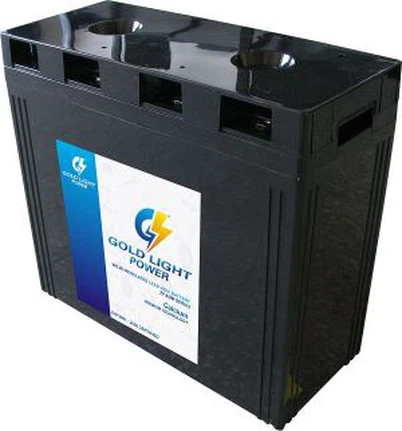
Despite these disadvantages, sealed lead - acid batteries still have their place in many applications. They're reliable, relatively simple to use, and have a well - established recycling infrastructure. And we offer a range of high - quality sealed lead - acid batteries, such as the 2V800AH AGM, Gel Rechargeable Battery Deep Cycle Solar Power Battery and the 2V600AH AGM Rechargeable Power Battery Valve Regulated Lead Aicd Battery for Long Life Battery.
If you're interested in learning more about our products or have any questions about sealed lead - acid batteries, feel free to reach out. We're here to help you find the best battery solution for your needs. Whether you're looking for a battery for a solar power system, a backup power supply, or any other application, we've got you covered. Contact us today to start a discussion about your battery requirements.
References
- Linden, D., & Reddy, T. B. (2002). Handbook of Batteries. McGraw - Hill.
- Dell, R. M., & Rand, D. A. J. (2001). Understanding Batteries. Royal Society of Chemistry.