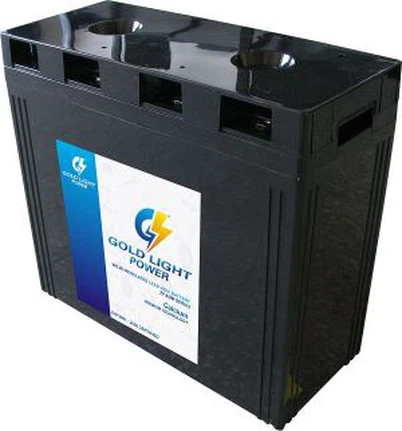
What are the disadvantages of Gel Batteries?
Leave a message

As a supplier of gel batteries, I understand that while these batteries have numerous advantages, it's essential to be transparent about their disadvantages. Gel batteries, also known as gel cell batteries, are a type of valve-regulated lead-acid (VRLA) battery where the electrolyte is immobilized in a gel form. This design offers benefits like spill-proof operation and deep discharge recovery, but it also comes with certain drawbacks that potential buyers should be aware of.
High Initial Cost
One of the most significant disadvantages of gel batteries is their high initial cost. Compared to traditional flooded lead-acid batteries, gel batteries can be considerably more expensive. This price difference is primarily due to the advanced technology and materials used in their manufacturing. The process of creating the gel electrolyte and the specialized design of the battery components add to the production cost, which is then passed on to the consumer.
For example, a standard flooded lead - acid battery for a small solar power system might cost around $50 - $100, while a comparable 12V24AH Solar Battery Sealed GEL Battery Standard Vrla Products could cost upwards of $150 - $200. This higher upfront investment can be a deterrent for budget - conscious consumers or those on a tight project budget.
Limited High - Current Discharge Capability
Gel batteries are not well - suited for applications that require high - current discharges. The gel electrolyte has a relatively high internal resistance compared to other battery types, which restricts the rate at which the battery can deliver current. When a high - current demand is placed on a gel battery, the internal resistance causes a significant voltage drop, reducing the available power output.
In applications such as electric vehicles or high - power inverters, where sudden and large current draws are common, gel batteries may not perform as well as other battery technologies like lithium - ion batteries. For instance, if you try to use a gel battery to power a large electric motor that requires a high starting current, the battery may not be able to supply the necessary power, leading to poor performance and potentially damaging the battery over time.


Sensitivity to Overcharging
Gel batteries are extremely sensitive to overcharging. Overcharging occurs when the battery is charged beyond its recommended state of charge, which can cause the gel electrolyte to break down and release oxygen and hydrogen gases. This process, known as gassing, can lead to a loss of electrolyte and damage to the battery plates.
Unlike flooded lead - acid batteries, which can tolerate a certain degree of overcharging without significant damage, gel batteries require a very precise charging algorithm. Specialized chargers with built - in charge controllers are necessary to ensure that the battery is charged correctly. If a regular charger without proper charge control is used, it can easily overcharge the gel battery, shortening its lifespan and reducing its performance.
Slow Charging Rate
Another drawback of gel batteries is their slow charging rate. Due to the nature of the gel electrolyte, the battery can only accept a limited amount of charge current. Charging a gel battery too quickly can cause overheating and damage to the battery. As a result, the charging process for gel batteries is generally slower compared to other battery types.
For example, a 12V38AH Solar GEL Battery Standard Storage Battery Products may take several hours to fully charge, even with a dedicated charger. This slow charging rate can be a problem in applications where quick turnaround times are required, such as in backup power systems that need to be ready for use again after a power outage.
Temperature Sensitivity
Gel batteries are highly sensitive to temperature changes. Extreme temperatures, both hot and cold, can have a significant impact on their performance and lifespan. In high - temperature environments, the chemical reactions within the battery occur at a faster rate, which can cause the gel electrolyte to dry out and the battery plates to corrode more quickly. This can lead to a reduction in battery capacity and a shorter overall lifespan.
On the other hand, in cold temperatures, the internal resistance of the gel battery increases, reducing its ability to deliver power. The battery may also take longer to charge in cold conditions. For example, if a gel battery is used in an outdoor solar power system in a region with very cold winters, its performance during the cold months may be severely compromised.
Shorter Lifespan under Certain Conditions
While gel batteries can have a relatively long lifespan under ideal conditions, their lifespan can be significantly reduced under certain circumstances. Factors such as overcharging, high - current discharges, and extreme temperatures can all contribute to a shorter battery life.
If a gel battery is frequently subjected to overcharging or deep discharges beyond its recommended limits, the battery plates can become damaged, and the gel electrolyte can break down. This can lead to a loss of battery capacity and a shorter overall lifespan. In some cases, a gel battery that is not properly maintained may only last a few years, compared to its potential lifespan of 5 - 10 years under optimal conditions.
Recycling Challenges
Recycling gel batteries can be more challenging compared to other battery types. The gel electrolyte contains lead and other chemicals, which need to be properly handled and disposed of to prevent environmental contamination. The specialized nature of the gel electrolyte also makes the recycling process more complex and costly.
Not all recycling facilities are equipped to handle gel batteries, which can make it difficult for consumers to recycle them properly. This can lead to improper disposal of gel batteries, which can have negative environmental impacts.
Despite these disadvantages, gel batteries still have their place in many applications, especially where their unique features such as spill - proof operation and deep discharge recovery are required. If you are considering using gel batteries for your project, it's important to weigh the pros and cons carefully and ensure that you have the necessary equipment and knowledge to maintain them properly.
If you have any questions about our gel battery products or would like to discuss your specific requirements, please feel free to reach out. We are here to help you make an informed decision and find the best battery solution for your needs.
References
- Linden, D., & Reddy, T. B. (2002). Handbook of Batteries. McGraw - Hill.
- Dufo - López, R., & Bernal - Agustín, J. L. (2008). Optimization of stand - alone hybrid solar - wind systems with battery storage. Renewable Energy, 33(7), 1605 - 1614.