What are the pricing strategies of Agm suppliers?
Leave a message

In the dynamic world of the AGM (Absorbent Glass Mat) battery market, pricing strategies play a pivotal role in determining a supplier's competitiveness and profitability. As an AGM supplier, I've had the opportunity to delve deep into the intricacies of setting prices that not only reflect the value of our products but also meet the diverse needs of our customers. In this blog post, I'll share some of the key pricing strategies that we, as an AGM supplier, employ to stay ahead in the market.
Cost - Plus Pricing
One of the most fundamental pricing strategies we use is cost - plus pricing. This approach involves calculating all the costs associated with producing and distributing our AGM batteries and then adding a markup to determine the selling price. The costs include raw materials, such as lead, acid, and the absorbent glass mat, manufacturing expenses like labor and equipment, overhead costs such as rent and utilities, and distribution costs.
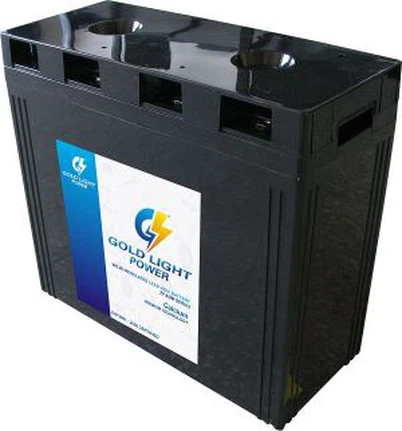
For example, if the total cost of producing a 2V600AH AGM Rechargeable Power Battery Valve Regulated Lead Aicd Battery for Long Life Battery is $X, and we decide on a markup percentage of Y%, the selling price will be $X(1 + Y/100). This strategy provides a clear and straightforward way to ensure that we cover all our costs and make a profit. However, it has its limitations. It doesn't take into account the market demand or the prices set by our competitors. If our markup is too high compared to what the market can bear, we may lose customers.
Value - Based Pricing
Value - based pricing is another important strategy in our pricing toolkit. Instead of focusing solely on costs, we consider the value that our AGM batteries bring to the customers. Our 2V800AH AGM, Gel Rechargeable Battery Deep Cycle Solar Power Battery is designed for deep - cycle applications in solar power systems. Customers who use these batteries in their solar setups value the long - life, high - performance, and reliability that our products offer.


We conduct market research to understand how much customers are willing to pay for these benefits. If our battery can significantly reduce the maintenance costs and increase the efficiency of a solar power system compared to other alternatives, we can set a higher price. Value - based pricing allows us to capture the additional value that our products create for the customers. It also helps us position our brand as a provider of high - quality, premium products.
Competitive Pricing
In a highly competitive market like the AGM battery industry, competitive pricing is essential. We closely monitor the prices of our competitors' products. If a competitor is offering a similar AGM battery at a lower price, we have to decide whether to match the price, offer additional value at the same price, or differentiate our product in other ways.
Sometimes, we may choose to price our products slightly lower than the competition to gain market share. This can be a short - term strategy to attract price - sensitive customers. However, we need to ensure that we can still maintain profitability. On the other hand, if our products have unique features or better performance, we may price them higher than the competition. Customers who are looking for quality and reliability may be willing to pay the premium.
Psychological Pricing
Psychological pricing is a subtle but effective strategy. We use pricing tactics that appeal to the psychological perceptions of the customers. For example, instead of pricing a battery at $100, we may price it at $99. This small difference in price can make the product seem more affordable to the customers. It creates the perception of a bargain, even though the actual difference is minimal.
We also use tiered pricing. We offer different models of AGM batteries at different price points. This gives the customers the option to choose a product that fits their budget and requirements. For instance, we may have a basic model at a lower price for customers who have limited needs, and a high - end model with advanced features at a higher price for customers who demand the best performance.
Promotional Pricing
Promotional pricing is a great way to stimulate demand and increase sales volume. We may offer discounts, rebates, or special offers during certain periods. For example, during holiday seasons or when launching a new product, we can offer a percentage discount on our AGM batteries. This not only attracts new customers but also encourages existing customers to make additional purchases.
We also run loyalty programs. Customers who make repeat purchases or refer our products to others can earn points, which can be redeemed for discounts on future purchases. Promotional pricing can help us clear out old inventory, increase brand awareness, and build customer loyalty. However, we need to be careful not to overuse this strategy, as it can erode our profit margins if not managed properly.
Pricing for Different Market Segments
We recognize that different market segments have different price sensitivities and requirements. For industrial customers who use AGM batteries in large - scale applications, they may be more concerned about the long - term cost of ownership, including maintenance and replacement costs. We can offer them volume discounts and long - term service contracts.
On the other hand, individual consumers who are buying AGM batteries for small - scale applications like backup power for their homes may be more price - sensitive. For this segment, we can focus on offering affordable products with basic features. By tailoring our pricing strategies to different market segments, we can maximize our sales and profitability.
Conclusion
As an AGM supplier, we use a combination of these pricing strategies to navigate the complex market environment. Each strategy has its own advantages and disadvantages, and we need to carefully evaluate and adjust our pricing based on various factors such as costs, market demand, competition, and customer preferences.
If you are interested in our AGM batteries and want to discuss the best pricing options for your specific needs, please feel free to contact us. We are always ready to have in - depth discussions and provide you with the most suitable solutions.
References
- Kotler, P., & Armstrong, G. (2010). Principles of Marketing. Pearson Prentice Hall.
- Nagle, T. T., & Holden, R. K. (2002). The Strategy and Tactics of Pricing: A Guide to Growing More Profitably. Prentice Hall.