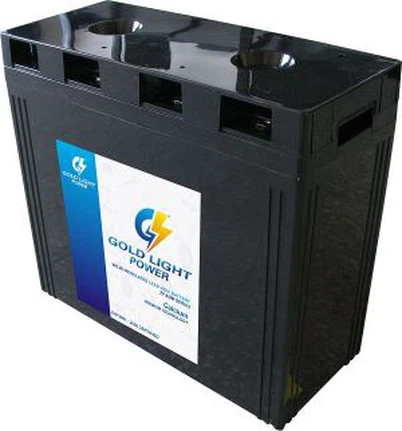
What is a dry battery?
Leave a message

A dry battery, also known as a dry - charged battery, is a type of battery that has gained significant popularity across various industries due to its unique characteristics and advantages. As a dry battery supplier, I have witnessed firsthand the widespread applications and the technological advancements of these remarkable energy - storage devices. In this blog, I will delve into what a dry battery is, how it works, its types, advantages, and applications.
What is a Dry Battery?
A dry battery is a secondary battery (rechargeable battery) that comes pre - charged and dry. Unlike traditional wet batteries that are filled with electrolyte solutions right from the factory, dry batteries are shipped without the electrolyte. The electrodes in a dry battery are charged during the manufacturing process, and the battery is in a ready - to - use state once the electrolyte is added. This feature makes dry batteries more convenient for transportation and storage, as there is no risk of electrolyte leakage during transit.
How Does a Dry Battery Work?
The basic principle of a dry battery is based on electrochemical reactions. When the electrolyte is added to the dry battery, a chemical reaction occurs between the electrodes and the electrolyte. In a typical lead - acid dry battery, the electrodes are made of lead and lead dioxide, and the electrolyte is sulfuric acid.
During the charging process, electrical energy is converted into chemical energy. The lead dioxide electrode (positive electrode) and the lead electrode (negative electrode) react with the sulfuric acid electrolyte. The lead dioxide gains electrons and is reduced, while the lead loses electrons and is oxidized.
When the battery is discharged, the chemical energy is converted back into electrical energy. The lead sulfate formed during the charging process reacts with the electrolyte, releasing electrons and generating an electric current. This continuous cycle of charging and discharging allows the dry battery to store and supply electrical energy as needed.
Types of Dry Batteries
There are several types of dry batteries, with lead - acid dry batteries being the most common. Lead - acid dry batteries are widely used in automotive, marine, and industrial applications due to their high energy density, relatively low cost, and long service life.
- Automobile Dry Batteries: These are specifically designed for use in vehicles. They need to provide a high - current output to start the engine and power the electrical systems in the car. For example, the Automobile NS40Z 12V36ah Lead Acid Dry Battery and Rechargeable Car Battery is a popular choice for many car models. It offers reliable starting power and can withstand the harsh conditions of automotive use.
- Industrial Dry Batteries: Industrial dry batteries are used in a variety of applications, such as backup power systems for data centers, emergency lighting, and forklifts. These batteries are designed to have a long service life and high reliability. The 2017 JIS Standard N60 12V 60AH Dry Charged Car Battery Weight Of Car Battery 60ah can also be used in some industrial settings where a moderate amount of power is required.
- High - Capacity Dry Batteries: For applications that require a large amount of energy storage, high - capacity dry batteries are available. The Super Long Life 12V80AH NX120 - 7 Dry Charged Car Battery is an example of a high - capacity dry battery that can provide a continuous power supply for an extended period.
Advantages of Dry Batteries
- Convenient Transportation and Storage: As mentioned earlier, the absence of electrolyte during shipping reduces the risk of leakage and makes dry batteries easier to handle. This is especially important for international shipments, where strict regulations govern the transportation of hazardous materials such as electrolytes.
- Long Shelf Life: Dry batteries can be stored for a long time without significant loss of charge. Since the electrochemical reactions are minimized without the electrolyte, the self - discharge rate is very low. This makes dry batteries ideal for emergency backup power systems, where the battery may need to be stored for years before use.
- Quick Start - Up: Once the electrolyte is added, a dry battery can be ready for use within a short period. This is a significant advantage in applications where immediate power is required, such as starting a vehicle or powering emergency equipment.
- Environmentally Friendly: Compared to some other types of batteries, lead - acid dry batteries are relatively easy to recycle. The lead and other materials in the battery can be recovered and reused, reducing the environmental impact.
Applications of Dry Batteries
- Automotive Industry: Dry batteries are the primary power source for starting the engines of cars, trucks, and motorcycles. They also power the electrical systems in the vehicle, such as the lights, radio, and air conditioning. The reliability and high - current output of dry batteries make them indispensable in the automotive sector.
- Marine Industry: In boats and ships, dry batteries are used for starting the engines, powering navigation equipment, and providing auxiliary power. The ability to withstand the harsh marine environment, including vibrations and saltwater exposure, makes dry batteries a popular choice for marine applications.
- Industrial Sector: Industries rely on dry batteries for backup power in case of power outages. Data centers, for example, use large - scale dry battery systems to ensure the continuous operation of servers and other critical equipment. Forklifts and other industrial vehicles also use dry batteries for propulsion.
- Renewable Energy Systems: Dry batteries can be used in conjunction with solar panels and wind turbines to store the energy generated by these renewable sources. This allows for a more stable and reliable power supply, especially during periods of low sunlight or wind.
Maintenance of Dry Batteries
Although dry batteries are relatively low - maintenance, proper care can extend their service life. After adding the electrolyte, it is important to charge the battery fully before use. Regular checks of the electrolyte level and specific gravity are recommended. If the electrolyte level is low, distilled water should be added to maintain the proper level.


It is also important to avoid over - charging and over - discharging the battery. Over - charging can cause the battery to overheat and damage the electrodes, while over - discharging can lead to sulfation, which reduces the battery's capacity.
Contact for Procurement
If you are interested in purchasing dry batteries for your automotive, marine, industrial, or renewable energy applications, we are here to help. As a professional dry battery supplier, we offer a wide range of high - quality dry batteries to meet your specific needs. Whether you need a small - capacity battery for a motorcycle or a large - scale battery system for an industrial facility, we have the right solution for you. Please feel free to contact us for more information and to start a procurement discussion.
References
- Linden, D., & Reddy, T. B. (2002). Handbook of Batteries. McGraw - Hill.
- Berndt, D. (2011). The Lead - Acid Battery: Science and Technology. Springer.