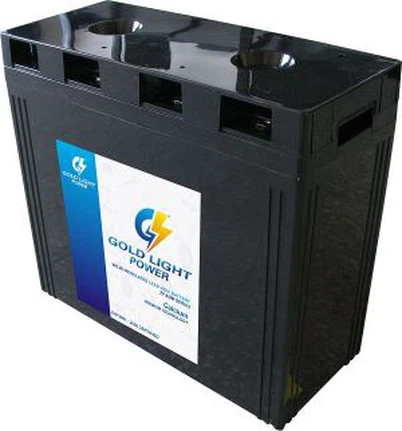
What is the cycle life of an ups battery?
Leave a message

Hey there! As a supplier of UPS batteries, I often get asked about the cycle life of UPS batteries. So, I thought I'd write a blog post to share some insights on this topic.
First off, let's talk about what cycle life means. In simple terms, the cycle life of a UPS battery refers to the number of charge - discharge cycles the battery can go through before its capacity drops to a certain level, usually around 80% of its original capacity. A charge - discharge cycle is when you fully charge the battery and then fully discharge it.
There are several factors that can affect the cycle life of a UPS battery. Temperature is a big one. Batteries are sensitive to temperature. If they're exposed to high temperatures for long periods, it can speed up the chemical reactions inside the battery, which in turn can reduce its cycle life. On the other hand, extremely cold temperatures can also cause problems. The battery's internal resistance increases in cold conditions, and it might not be able to deliver its full capacity.
Another important factor is the depth of discharge (DOD). The DOD is the percentage of the battery's capacity that is discharged during a cycle. For example, if you have a battery with a capacity of 100Ah and you discharge 50Ah, the DOD is 50%. Generally, the deeper the discharge, the fewer the number of cycles the battery can handle. A battery that is regularly deeply discharged will have a shorter cycle life compared to one that is only lightly discharged.
The charging method also plays a role. Overcharging can be just as bad as over - discharging. When a battery is overcharged, it can cause the electrolyte to break down, leading to the formation of gas and water loss. This can damage the battery plates and reduce its cycle life. Using a proper charging algorithm that is designed for the specific type of battery is crucial.
Now, let's look at different types of UPS batteries and their typical cycle lives. One of the most common types of UPS batteries is the Valve - Regulated Lead - Acid (VRLA) battery. There are two subtypes of VRLA batteries: AGM (Absorbent Glass Mat) and Gel.
AGM batteries are known for their relatively good cycle life. Under normal operating conditions, with a moderate DOD of around 30 - 50%, an AGM battery can typically handle anywhere from 300 to 500 cycles. However, if the DOD is kept low, say around 20%, the cycle life can increase significantly, maybe up to 1000 cycles or more. These batteries are often used in a variety of applications, from small home UPS systems to larger commercial setups. For example, our 12V38AH UPS Battery For Fire Safety Power Protection Serious Computing Systems Hospital Power Emergency Power Supply is an AGM battery that offers reliable performance and a decent cycle life when used properly.
Gel batteries, on the other hand, have a different structure. They use a gel - like electrolyte instead of a liquid one. Gel batteries are more tolerant of deep discharges compared to AGM batteries. With a DOD of around 50%, a gel battery can usually go through 200 - 300 cycles. But they also require a more careful charging process to avoid over - charging, which can cause the gel to dry out. Our 12V120AH UPS Battery CPS Battery ECO Battery For Uninterruptible Power System is a gel battery that provides good performance in applications where a bit more deep - discharge tolerance is needed.
Lithium - ion batteries are also starting to gain popularity in the UPS market. They have a much longer cycle life compared to lead - acid batteries. A typical lithium - ion battery can handle 1000 to 3000 cycles or even more, depending on the specific chemistry and usage conditions. They also have a higher energy density, which means they can store more energy in a smaller and lighter package. However, they are generally more expensive than lead - acid batteries. Our 12v1.3ah UPS ECO Lead Acid Battery For Telecommunicate System Hospital Power Emergency Power Supply is a great option for smaller, more cost - effective applications.
To get the most out of your UPS battery's cycle life, here are some tips. First, make sure to install the battery in a well - ventilated area with a stable temperature. Avoid placing it near heat sources like heaters or direct sunlight. Second, monitor the DOD and try to keep it as low as possible. If your UPS system allows it, you can set up alarms or notifications when the DOD reaches a certain level. Third, use a high - quality charger that is compatible with your battery type.


If you're in the market for a UPS battery, it's important to consider your specific needs. Think about how often you'll need to use the battery, what the typical DOD will be, and what the operating environment will be like. Different batteries are better suited for different applications.
We at our company understand the importance of providing high - quality UPS batteries with good cycle lives. We offer a wide range of UPS batteries to meet various customer requirements. Whether you need a small battery for a home office or a large one for a data center, we've got you covered.
If you're interested in learning more about our UPS batteries or have any questions about cycle life and battery selection, feel free to reach out. We'd be more than happy to have a chat with you and help you find the right battery for your needs.
References:
- Battery University: A well - known resource for battery knowledge and information.
- Industry reports on UPS battery technology and performance.