What is the difference between a flooded lead - acid battery and a sealed lead - acid battery?
Leave a message

As a lead battery supplier, I often encounter customers who are confused about the differences between flooded lead - acid batteries and sealed lead - acid batteries. In this blog, I'll dive deep into these two types of lead batteries, exploring their characteristics, pros and cons, and typical applications.
1. Basic Structure and Working Principle
Both flooded lead - acid batteries and sealed lead - acid batteries are based on the same fundamental electrochemical principle. They use lead and lead dioxide as electrodes and sulfuric acid as the electrolyte. When the battery discharges, a chemical reaction occurs between the electrodes and the electrolyte, producing electrical energy. During charging, the reverse reaction takes place, restoring the original chemical state of the electrodes.
Flooded Lead - Acid Batteries
Flooded lead - acid batteries, also known as wet cell batteries, have a simple structure. The electrodes are immersed in a liquid electrolyte solution of sulfuric acid and water. The battery case has vents that allow the escape of gases (hydrogen and oxygen) produced during the charging process. These gases are a result of the electrolysis of water in the electrolyte.
Sealed Lead - Acid Batteries
Sealed lead - acid batteries come in two main subtypes: Absorbent Glass Mat (AGM) and Gel batteries. In AGM batteries, the electrolyte is absorbed in a fiberglass mat that separates the electrodes. Gel batteries, on the other hand, use a silica gel to immobilize the electrolyte. These batteries are sealed, which means they are designed to recombine the gases produced during charging back into water within the battery, reducing the need for regular maintenance.
2. Maintenance Requirements
Flooded Lead - Acid Batteries
One of the most significant differences between the two types of batteries is the maintenance requirement. Flooded lead - acid batteries need regular maintenance. Since the water in the electrolyte evaporates during charging, the electrolyte level must be checked periodically, usually every few months, and distilled water should be added to keep the electrodes properly submerged. If the electrolyte level gets too low, the battery's performance will decline, and it may even be permanently damaged.
Sealed Lead - Acid Batteries
Sealed lead - acid batteries are virtually maintenance - free. The sealed design and the gas recombination mechanism prevent the loss of water. This makes them a convenient choice for applications where regular maintenance is difficult or impossible, such as in remote locations or in devices that are hard to access.
3. Safety and Installation
Flooded Lead - Acid Batteries
Flooded lead - acid batteries pose some safety risks. The vented design allows the release of hydrogen and oxygen gases, which are flammable and explosive in certain concentrations. Therefore, proper ventilation is required when installing these batteries to prevent the accumulation of these gases. Also, the liquid electrolyte is corrosive, and there is a risk of spillage if the battery is tipped over or damaged.
Sealed Lead - Acid Batteries
Sealed lead - acid batteries are generally safer. Since they are sealed, there is no risk of electrolyte spillage, and the gas recombination feature minimizes the release of explosive gases. They can be installed in a wider range of orientations, including horizontally, which provides more flexibility in installation.
4. Performance Characteristics
Flooded Lead - Acid Batteries
Flooded lead - acid batteries are known for their high surge current capabilities. They can deliver a large amount of current in a short period, making them suitable for applications that require high - power bursts, such as starting engines in vehicles. They also tend to have a lower internal resistance, which allows for more efficient charging and discharging.
However, flooded lead - acid batteries have a relatively shorter cycle life compared to sealed lead - acid batteries. Deep discharging can cause sulfation on the electrodes, which reduces the battery's capacity and lifespan.
Sealed Lead - Acid Batteries
Sealed lead - acid batteries, especially AGM batteries, offer good performance in terms of cycle life. They can withstand a greater number of charge - discharge cycles, especially when used in deep - cycle applications. Gel batteries, on the other hand, are more resistant to overcharging and can operate well in a wide range of temperatures.
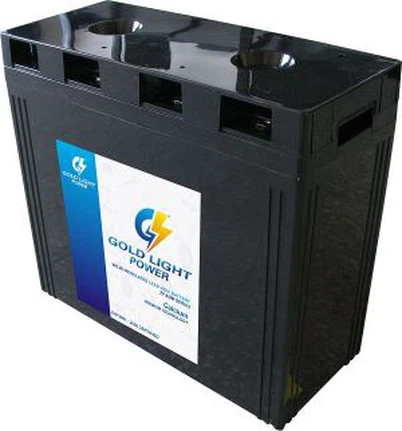
For example, our 2V600AH AGM Rechargeable Power Battery Valve Regulated Lead Aicd Battery for Long Life Battery and 2V800AH AGM, Gel Rechargeable Battery Deep Cycle Solar Power Battery are excellent choices for applications that require long - lasting performance and deep - cycle capabilities.
5. Cost
Flooded Lead - Acid Batteries
Flooded lead - acid batteries are generally less expensive upfront. The simple design and manufacturing process result in a lower cost compared to sealed lead - acid batteries. However, when considering the long - term cost, including the cost of maintenance and replacement, the overall cost may be higher.


Sealed Lead - Acid Batteries
Sealed lead - acid batteries have a higher initial cost. The advanced technology and materials used in their production, such as the fiberglass mat in AGM batteries and the silica gel in Gel batteries, contribute to the higher price. But their longer lifespan and lower maintenance requirements can offset the initial investment in the long run.
6. Applications
Flooded Lead - Acid Batteries
Flooded lead - acid batteries are commonly used in automotive starting, lighting, and ignition (SLI) applications. Their ability to deliver high surge currents makes them ideal for starting vehicle engines. They are also used in some large - scale stationary applications, such as backup power systems in industrial facilities, where the cost - effectiveness and high - power output are important factors.
Sealed Lead - Acid Batteries
Sealed lead - acid batteries are widely used in applications where maintenance is a concern. They are popular in solar power systems, uninterruptible power supplies (UPS), and electric wheelchairs. Their deep - cycle capabilities and safety features make them suitable for these applications.
Conclusion
In summary, the choice between a flooded lead - acid battery and a sealed lead - acid battery depends on various factors, including maintenance requirements, safety, performance, cost, and application. Flooded lead - acid batteries are a cost - effective option for applications that require high - power bursts and where regular maintenance is feasible. Sealed lead - acid batteries, on the other hand, are a better choice for applications that demand long - term reliability, low maintenance, and safety.
As a lead battery supplier, we offer a wide range of both flooded and sealed lead - acid batteries to meet the diverse needs of our customers. If you are interested in purchasing lead batteries for your specific application, we invite you to contact us for a detailed discussion. Our team of experts can help you select the most suitable battery and provide you with all the necessary information and support.
References
- Linden, D., & Reddy, T. B. (2002). Handbook of Batteries. McGraw - Hill.
- Berndt, D. (2011). Lead - Acid Batteries: Science and Technology. Springer.