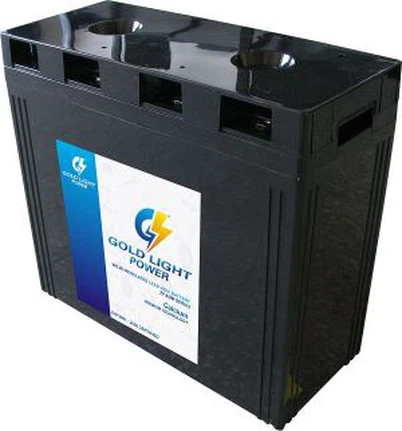
What is the internal resistance of a dry battery?
Leave a message

Hey there! As a supplier of dry batteries, I often get asked about the internal resistance of dry batteries. So, I thought I'd take a moment to explain what it is, why it matters, and how it affects the performance of our batteries.
First off, let's talk about what internal resistance actually is. In simple terms, internal resistance is the resistance that exists within a battery itself. Every battery, whether it's a dry battery, a lithium - ion battery, or any other type, has some level of internal resistance. It's caused by a few different factors, like the resistance of the electrolyte, the resistance of the electrodes, and the contact resistance between the different components of the battery.
When a battery is connected to a circuit, the internal resistance acts like a small resistor in series with the battery's voltage source. This means that when current flows through the battery, there's a voltage drop across the internal resistance. The larger the internal resistance, the bigger the voltage drop, and the less voltage is available at the battery's terminals for the external circuit.
Why does this matter? Well, it has a big impact on the performance of the battery. For example, if you're using a battery to power a high - current device like a car starter motor, a high internal resistance can cause a significant voltage drop. This can lead to a situation where the device doesn't get enough power to operate properly. The motor might turn over slowly, or it might not start at all.
On the other hand, for low - current devices like a remote control or a small flashlight, the internal resistance might not have as big of an impact. But it still affects the overall efficiency of the battery. A battery with a lower internal resistance can deliver more of its stored energy to the external circuit, which means it can power the device for longer.
Now, let's talk about how internal resistance changes over time. As a dry battery is used, its internal resistance tends to increase. This is because the chemical reactions inside the battery cause changes to the electrodes and the electrolyte. For example, the electrodes can become coated with reaction products, which increases their resistance. The electrolyte can also break down over time, which can increase its resistance as well.
When the internal resistance of a battery gets too high, the battery is considered to be "dead" or near the end of its useful life. At this point, it can't deliver enough power to the external circuit, even if it still has some stored energy left.
As a dry battery supplier, we're always working to minimize the internal resistance of our batteries. We use high - quality materials for the electrodes and the electrolyte, and we have strict manufacturing processes to ensure that the components are assembled correctly. This helps us to produce batteries with low internal resistance, which means better performance and longer life for our customers.
Let me tell you about some of our hot - selling products. We have the Hot Selling Good Design Quick Start N100 12V 100Ah For Electric Dry Charged Car Battery. This battery is designed for high - current applications, like starting a car. It has a low internal resistance, which means it can deliver a large amount of current quickly to get the engine started.
Another great product is the Dry Charged Battery DIN Lead Acid Car Battery 12V 66ah Storage Battery. This battery is a reliable choice for automotive applications. It's built with high - quality materials to keep the internal resistance low and ensure a long service life.
We also offer the 12v 55ah DIN Automotive Lead Acid Dry Charged Exteranl Storage Battery. This battery is suitable for a variety of automotive uses. Its low internal resistance allows it to provide a stable voltage output, even under heavy loads.
If you're in the market for dry batteries, whether it's for automotive, industrial, or consumer applications, we've got you covered. Our batteries are designed to have low internal resistance, which means better performance and longer life. We're committed to providing the best products and the best service to our customers.
If you're interested in learning more about our dry batteries or have any questions about internal resistance, feel free to reach out to us. We'd be more than happy to discuss your specific needs and help you find the right battery for your application. Let's start a conversation and see how we can work together to meet your battery requirements.


References
- Linden, D., & Reddy, T. B. (2002). Handbook of Batteries. McGraw - Hill.
- Bergveld, P., & Baltes, H. (Eds.). (2006). Biosensors: A Comprehensive Survey. Wiley - VCH.