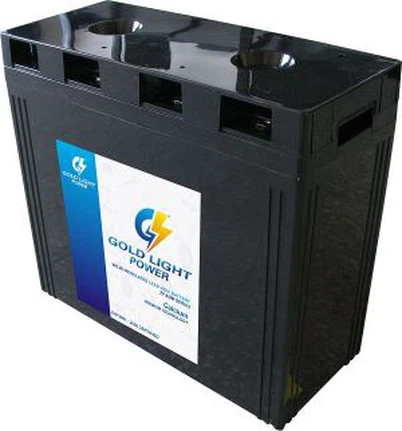
What is the size of battery plates?
Leave a message

What is the size of battery plates? That's a question I get asked a lot as a battery plates supplier. In this blog, I'm gonna break down everything you need to know about the size of battery plates, why it matters, and how it impacts the performance of your batteries.
First off, let's talk about why the size of battery plates is such a big deal. The size of the battery plates directly affects the capacity and power output of a battery. Think of it like this: the larger the surface area of the plates, the more chemical reactions can take place, which means more electrons can be produced and stored. This translates to a higher capacity battery that can deliver more power for a longer period of time.
There are a few key factors that determine the size of battery plates. One of the main factors is the type of battery. Different types of batteries, such as lead - acid, lithium - ion, and nickel - metal hydride, have different requirements when it comes to plate size. For example, lead - acid batteries, which are commonly used in automotive and industrial applications, typically have larger plates compared to lithium - ion batteries, which are often used in portable electronics.


Another factor is the intended use of the battery. If a battery is designed for high - power applications, like starting a car or powering a large industrial machine, it will usually have larger plates to handle the high current demands. On the other hand, batteries for low - power applications, such as small electronic devices, can get away with smaller plates.
Let's take a closer look at lead - acid batteries, which are one of the most common types of batteries we supply. In lead - acid batteries, the size of the plates can vary widely depending on the application. For automotive batteries, the plates are usually sized to provide enough power to start the engine and run the vehicle's electrical systems. These plates are often made of lead - calcium alloy, which offers good performance and durability. Check out our Automotive Calcium Battery Plates Wet Battery Plates for Maintenance Free Car Battery for more details on the plates designed for automotive use.
For industrial batteries, such as those used in forklifts, backup power systems, and UPS (Uninterruptible Power Supply), the plates are typically larger and thicker. This is because these batteries need to provide a high amount of power over an extended period of time. Our Sealed Calcium Lead Acid Battery Plates Unformatted for Vrla and UPS Battery are specifically designed to meet the requirements of these industrial applications.
When it comes to measuring the size of battery plates, there are a few key dimensions to consider. The most important ones are the length, width, and thickness of the plates. The length and width determine the surface area of the plate, while the thickness affects the amount of active material that can be stored on the plate.
In general, larger plates have a higher capacity, but they also take up more space and can be heavier. This is something to keep in mind when designing a battery system, especially if space and weight are limited. For example, in a portable electronic device, you want a battery that is small and lightweight but still has enough capacity to power the device for a reasonable amount of time.
Manufacturing the right - sized battery plates is a complex process. We use advanced manufacturing techniques to ensure that our plates are of the highest quality and meet the exact specifications of our customers. This includes precise control of the plate dimensions, as well as the composition of the active materials used on the plates.
The quality of the raw materials used in the battery plates also plays a crucial role in determining their performance. We source high - quality lead, calcium, and other materials to ensure that our plates have excellent conductivity, corrosion resistance, and long - term stability.
So, how do you choose the right size of battery plates for your application? Well, it all depends on your specific requirements. If you're looking for a battery for a high - power application, you'll need larger plates. If space and weight are a concern, you might want to consider smaller plates.
It's also important to work with a reliable battery plates supplier who can provide you with expert advice and support. We've been in the business for years, and we have the knowledge and experience to help you find the perfect battery plates for your needs.
If you're interested in learning more about our battery plates or have any questions about the size and specifications, don't hesitate to reach out. We're always happy to have a chat and discuss your requirements. Whether you're an automotive manufacturer, an industrial equipment supplier, or just someone looking for a high - quality battery for a specific project, we can help you find the right solution.
In conclusion, the size of battery plates is a critical factor that affects the performance and suitability of a battery for different applications. By understanding the factors that determine plate size and working with a trusted supplier, you can ensure that you get the best battery for your needs. So, if you're in the market for battery plates, give us a shout, and let's start a conversation about how we can meet your requirements.
References
- Battery Technology Handbook, various editions
- Industry research reports on battery manufacturing and applications