Can dry batteries be used in underwater devices?
Leave a message

Can dry batteries be used in underwater devices? That's a question I often get asked as a dry battery supplier. And let me tell you, it's not a straightforward yes or no answer.
First off, let's talk about what dry batteries are. Dry batteries are the kind you're probably most familiar with. You've got them in your TV remotes, your kids' toys, and a whole bunch of other household gadgets. They're called dry batteries because the electrolyte inside is in a paste-like form, not a liquid. This makes them more convenient and safer to use in a lot of situations.
Now, when it comes to using dry batteries in underwater devices, there are a few things we need to consider. One of the biggest issues is water damage. Water and electricity don't mix well, as we all know. If water gets into the battery, it can cause a short circuit. This means the electricity will take a shortcut and bypass the device it's supposed to power. Not only will this stop the device from working, but it can also damage the battery and the device itself.
But hey, not all hope is lost. There are some types of dry batteries that are more resistant to water than others. For example, some industrial - grade dry batteries are designed with better sealing. The manufacturers use special materials and techniques to make sure water can't easily seep in. These batteries can withstand a certain amount of moisture, and in some cases, even short periods underwater.
However, it's important to understand the limitations. Even the most water - resistant dry batteries have their limits. If they're submerged for too long, or in very deep water where the pressure is high, the water can still find its way in. Also, saltwater is even more of a problem. Salt is a good conductor of electricity, and it can accelerate the corrosion process inside the battery.
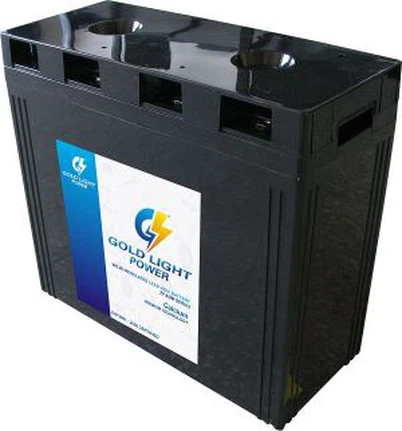
Let's take a look at some of the dry batteries we offer. We have the Dry Charged Auto Battery NS40 12V32Ah High Quality Car Battery. This is a high - quality battery that's mainly used for cars, but its design features could potentially make it more suitable for certain underwater applications where short - term exposure to water is expected. It has a well - sealed casing that helps protect it from moisture.
Another option is the Dry Charged Battery DIN Lead Acid Car Battery 12V 66ah Storage Battery. This battery has a relatively large capacity, which is great for devices that need a lot of power. It also has some level of water resistance, but again, it's not designed for long - term underwater use.
If you're looking for a high - capacity battery for electric devices that might be exposed to water, our Hot Selling Good Design Quick Start N100 12V 100Ah For Electric Dry Charged Car Battery could be a good choice. It offers quick start capabilities and a decent amount of power, and with proper care, it can handle some wet conditions.


When using dry batteries in underwater devices, you also need to think about the power requirements. Underwater devices often need more power than regular devices. The water creates more resistance, so the device has to work harder. This means the battery will drain faster. You might need to use multiple batteries or batteries with a higher capacity to keep the device running for a reasonable amount of time.
In addition to water damage and power requirements, there's also the issue of battery life. The chemicals inside dry batteries react to produce electricity. Water can interfere with these chemical reactions, which can reduce the battery's lifespan. Even if the battery doesn't short - circuit right away, the water can gradually break down the components and make the battery less efficient.
So, can dry batteries be used in underwater devices? The answer is maybe. It depends on the type of battery, the device, and the underwater conditions. If it's a short - term, low - depth, and relatively clean water situation, and you use a well - sealed, water - resistant dry battery, it might work. But for long - term, deep - water, or saltwater applications, you might want to look into other power sources like specialized underwater batteries.
If you're in the market for dry batteries for your underwater devices, or just have more questions about our products, I'd love to talk to you. Whether you're a hobbyist building a small underwater robot or a professional in the marine industry, we can help you find the right battery solution. We've got a wide range of dry batteries to suit different needs and budgets. So, don't hesitate to reach out for a chat and let's see if we can find the perfect battery for your underwater adventure.
References:
- Battery Technology Handbook
- Industrial Battery Usage Guidelines