How can battery acid harm the human body?
Leave a message

Battery acid is a crucial component in many types of batteries, and as a battery acid supplier, I've seen firsthand the importance of understanding its properties and potential risks. In this blog, I'll dive into how battery acid can harm the human body, so you can take the necessary precautions when dealing with it.
What is Battery Acid?
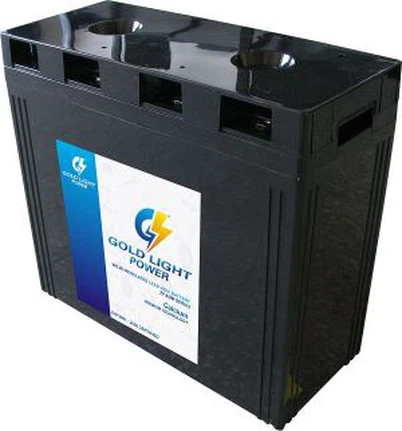
First off, let's talk about what battery acid actually is. Most commonly, battery acid refers to sulfuric acid, which is used in lead - acid batteries. These batteries are found in a wide range of applications, from cars to backup power systems.
Lead - acid batteries are made up of lead plates and a sulfuric acid solution. The acid plays a key role in the battery's chemical reactions, allowing it to store and release electrical energy. There are different types of battery plates available, such as Automotive Calcium Battery Plates Wet Battery Plates for Maintenance Free Car Battery and Sealed Calcium Lead Acid Battery Plates Unformatted for Vrla and UPS Battery, which are designed to work with the battery acid to optimize performance.
Harmful Effects of Battery Acid on the Skin
One of the most immediate ways battery acid can harm the human body is through skin contact. Sulfuric acid is a strong acid, and when it comes into contact with the skin, it can cause severe burns. The acid can react with the proteins and fats in the skin, breaking them down and causing tissue damage.
The severity of the burn depends on several factors, including the concentration of the acid, the amount of acid that comes into contact with the skin, and the duration of the contact. Mild exposure might result in redness, pain, and irritation, similar to a sunburn. However, more severe exposure can lead to deep, third - degree burns that require immediate medical attention.
If you accidentally spill battery acid on your skin, it's crucial to act quickly. First, remove any contaminated clothing to prevent further exposure. Then, rinse the affected area with plenty of water for at least 15 - 20 minutes. This helps to dilute the acid and reduce its corrosive effects. After rinsing, seek medical help, especially if the burn is severe or covers a large area of the body.
Inhalation of Battery Acid Fumes
Another way battery acid can harm the body is through inhalation of its fumes. When battery acid is exposed to the air, it can release sulfuric acid vapors. These vapors are extremely irritating to the respiratory system.
Inhaling battery acid fumes can cause a range of symptoms, from mild irritation of the nose, throat, and lungs to more severe respiratory problems. Short - term exposure might lead to coughing, wheezing, shortness of breath, and chest tightness. In some cases, it can also cause chemical pneumonitis, which is an inflammation of the lungs.
Long - term or repeated exposure to battery acid fumes can have even more serious consequences. It can lead to chronic bronchitis, a condition characterized by persistent coughing and difficulty breathing. It can also increase the risk of developing lung cancer over time.
To protect yourself from inhaling battery acid fumes, it's important to work in a well - ventilated area when handling batteries. If possible, use a respirator that is designed to filter out acid vapors.
Ingestion of Battery Acid
Ingesting battery acid is extremely dangerous and can be life - threatening. When battery acid is swallowed, it can cause severe damage to the mouth, throat, esophagus, and stomach.
The acid can burn through the delicate tissues in these areas, causing pain, bleeding, and perforation. Symptoms of battery acid ingestion include intense pain in the mouth and throat, difficulty swallowing, vomiting (which may be bloody), and abdominal pain.


If someone ingests battery acid, do not induce vomiting, as this can cause further damage to the esophagus. Instead, give the person plenty of water or milk to drink to dilute the acid, and seek immediate medical attention.
Eye Contact with Battery Acid
Eye contact with battery acid is also a serious concern. The eyes are very sensitive, and even a small amount of battery acid can cause significant damage.
When battery acid gets into the eyes, it can cause severe pain, redness, swelling, and blurred vision. It can also lead to corneal damage, which can result in permanent vision loss if not treated promptly.
If battery acid gets into your eyes, you should immediately flush your eyes with clean, lukewarm water for at least 20 minutes. Keep your eyes open and move your eyes around to ensure that the water reaches all parts of the eye. After flushing, seek emergency medical care.
Precautions When Handling Battery Acid
As a battery acid supplier, I always recommend taking proper precautions when handling battery acid. Here are some tips:
- Wear protective gear: This includes gloves, goggles, and a lab coat or apron. Gloves should be made of a material that is resistant to acid, such as rubber or neoprene. Goggles will protect your eyes from splashes, and a lab coat or apron will protect your clothing and skin.
- Work in a well - ventilated area: As mentioned earlier, proper ventilation is crucial to prevent inhalation of acid fumes. If you're working indoors, use exhaust fans or open windows to ensure good air circulation.
- Store battery acid properly: Keep battery acid in a cool, dry place, away from heat sources and incompatible substances. Make sure the containers are tightly sealed to prevent spills and leaks.
- Follow safety procedures: When handling batteries, follow the manufacturer's instructions carefully. If you're unsure about how to handle battery acid safely, consult a professional or refer to safety guidelines.
Conclusion
Battery acid is a powerful and potentially dangerous substance. It can harm the human body through skin contact, inhalation of fumes, ingestion, and eye contact. As a battery acid supplier, I understand the importance of safety when dealing with this product.
If you're in the market for high - quality battery acid or related products like Automotive Calcium Battery Plates Wet Battery Plates for Maintenance Free Car Battery and Sealed Calcium Lead Acid Battery Plates Unformatted for Vrla and UPS Battery, I'm here to help. Whether you have questions about safety, product specifications, or pricing, feel free to reach out to me for a procurement discussion.
References
- "Dangerous Properties of Industrial Materials," by Richard J. Lewis.
- "Occupational Safety and Health Guidelines for Chemical Hazards," by the National Institute for Occupational Safety and Health (NIOSH).