How to dispose of a Gel Battery?
Leave a message

Gel batteries, known for their maintenance - free operation, deep - cycle capabilities, and spill - proof design, are widely used in various applications such as solar power systems, UPS (Uninterruptible Power Supply), and electric vehicles. As a gel battery supplier, I understand the importance of proper disposal of these batteries. Not only does it protect the environment, but it also ensures the safety of those handling the disposal process. In this blog, I'll guide you through the steps and best practices for gel battery disposal.
Understanding Gel Batteries
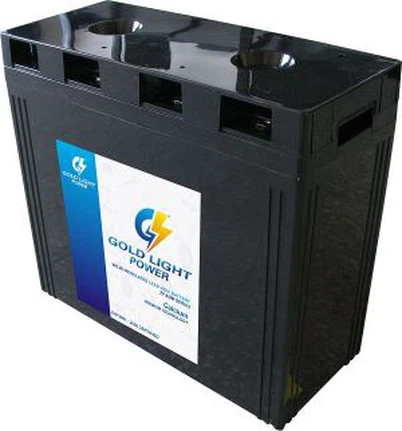
Before delving into the disposal methods, it's crucial to understand what gel batteries are. Gel batteries are a type of valve - regulated lead - acid (VRLA) battery. They use a silica gel electrolyte, which immobilizes the sulfuric acid within the battery. This design makes them safer to handle compared to traditional flooded lead - acid batteries as there is no risk of acid spills.
The key components of a gel battery include lead plates, a silica - gel electrolyte, and a plastic casing. When these batteries reach the end of their useful life, improper disposal can lead to the release of harmful substances such as lead and sulfuric acid into the environment. Lead is a heavy metal that can cause severe health problems, including damage to the nervous system, kidneys, and reproductive system. Sulfuric acid is a highly corrosive substance that can harm soil, water sources, and living organisms.
When to Dispose of a Gel Battery
Gel batteries have a finite lifespan, typically ranging from 3 to 5 years depending on usage conditions. There are several signs that indicate it's time to dispose of a gel battery:


- Reduced Capacity: If the battery can no longer hold a charge for as long as it used to, it may be nearing the end of its life. For example, if a 12V38AH Solar GEL Battery Standard Storage Battery 12V38AH Solar GEL Battery Standard Storage Battery Products that was initially able to power a device for several hours now only lasts for a fraction of that time, it's a sign of reduced capacity.
- Physical Damage: Cracks, bulges, or leaks in the battery casing are clear indicators of a damaged battery. Physical damage can compromise the integrity of the battery and increase the risk of acid leakage.
- Inability to Recharge: If the battery fails to recharge even after using a compatible charger, it may be beyond repair and should be disposed of.
Safe Handling Before Disposal
Before disposing of a gel battery, it's essential to handle it safely to prevent any accidents or exposure to harmful substances.
- Wear Protective Gear: Always wear gloves, safety glasses, and a lab coat or protective clothing when handling gel batteries. This will protect your skin, eyes, and clothing from acid spills and lead dust.
- Inspect the Battery: Check the battery for any visible signs of damage or leakage. If you notice any cracks or leaks, take extra precautions and avoid handling the battery directly.
- Disconnect the Battery: If the battery is installed in a device, make sure to disconnect it properly. Follow the manufacturer's instructions for disconnecting the battery to avoid short - circuits or electrical shocks.
- Store the Battery Properly: If you're not disposing of the battery immediately, store it in a cool, dry place away from flammable materials and direct sunlight. Keep the battery upright to prevent acid leakage.
Disposal Methods
There are several ways to dispose of gel batteries safely and responsibly:
- Recycling Centers: Recycling is the most environmentally friendly way to dispose of gel batteries. Many recycling centers accept lead - acid batteries, including gel batteries. When you take your battery to a recycling center, they will typically break it down into its component parts. The lead plates are melted down and refined to make new lead products, while the plastic casing can be recycled into new plastic items. The sulfuric acid is neutralized and treated to remove any contaminants.
- Battery Retailers: Some battery retailers offer battery recycling programs. They may accept old gel batteries when you purchase a new one. This is a convenient option as it allows you to dispose of your old battery while getting a new one at the same time.
- Municipal Collection Programs: Many municipalities have collection programs for hazardous waste, including batteries. Check with your local government to find out when and where you can drop off your gel battery for proper disposal.
- Manufacturer Take - Back Programs: Some gel battery manufacturers have take - back programs where they accept used batteries from consumers. Contact the manufacturer of your battery to see if they offer such a program.
DIY Disposal (Not Recommended)
While it's possible to attempt to dispose of a gel battery on your own, it's not recommended unless you have the proper knowledge and equipment. Disassembling a gel battery can be dangerous as it involves handling lead and sulfuric acid. If you're not careful, you can cause acid spills, release toxic fumes, or injure yourself. Additionally, improper DIY disposal can lead to environmental contamination.
Importance of Proper Disposal
Proper disposal of gel batteries is crucial for several reasons:
- Environmental Protection: By recycling gel batteries, we can prevent lead and sulfuric acid from entering the environment. Lead can contaminate soil and water sources, while sulfuric acid can harm aquatic life and damage ecosystems.
- Resource Conservation: Recycling gel batteries allows us to recover valuable materials such as lead and plastic. These materials can be reused to make new batteries and other products, reducing the need for virgin resources.
- Compliance with Regulations: Many countries and regions have strict regulations regarding the disposal of hazardous waste, including batteries. By disposing of gel batteries properly, you can ensure compliance with these regulations and avoid potential fines.
Conclusion
As a gel battery supplier, I encourage all users to dispose of their gel batteries responsibly. Whether you choose to recycle your battery at a recycling center, take advantage of a retailer's recycling program, or participate in a municipal collection program, every effort counts towards protecting the environment and conserving resources.
If you're in the market for high - quality gel batteries, we offer a wide range of products, including the 12V24AH Solar Battery Sealed GEL Battery Standard Vrla Products. Our gel batteries are designed to provide reliable performance and long - lasting power. If you have any questions about our products or the proper disposal of gel batteries, please feel free to contact us for more information and to discuss your purchasing needs.
References
- Batteries: Science, Technology, and Applications by John B. Goodenough and Yutaka Yamamoto
- Handbook of Battery Technologies by David Linden and Thomas B. Reddy
- Environmental Guidelines for Lead - Acid Battery Recycling by the United Nations Environment Programme