How to prevent overcharging of a Vrla battery?
Leave a message

Hey there, battery enthusiasts! I'm a supplier of Vrla (Valve Regulated Lead Acid) batteries, and I've seen firsthand the issues that overcharging can bring. In this blog, I'll share some tips on how to prevent overcharging of a Vrla battery.
First off, let's understand why overcharging is such a big deal. Vrla batteries are widely used in various applications, like solar power systems, backup power supplies, and more. But when they're overcharged, it can cause a whole bunch of problems. Overcharging can lead to excessive heat generation, which can damage the battery's internal components. It can also cause the electrolyte to evaporate, reducing the battery's capacity and lifespan. In some cases, overcharging can even lead to battery failure, leaving you in a real bind.
So, how can we prevent this from happening? Well, one of the most important things is to use the right charger. Not all chargers are created equal, and using the wrong one can spell disaster for your Vrla battery. Make sure you choose a charger that's specifically designed for Vrla batteries. These chargers are usually equipped with features that prevent overcharging, like automatic voltage regulation and temperature compensation.
For instance, if you're using a solar power system with a Vrla battery, you'll want to use a solar charge controller. A good solar charge controller will monitor the battery's voltage and charge it at the right rate, preventing overcharging. It'll also adjust the charging process based on the temperature, as Vrla batteries perform best within a certain temperature range.
Another key factor is to pay attention to the charging time. Don't just leave your battery on the charger for hours on end without checking it. Most Vrla batteries have a recommended charging time, and you should stick to it. Overcharging by leaving the battery on the charger for too long can cause the problems I mentioned earlier.
Let's talk about battery maintenance. Regular maintenance can go a long way in preventing overcharging and ensuring the longevity of your Vrla battery. Check the battery's electrolyte level regularly (if it's a type that allows for electrolyte checking). If the level is low, add distilled water as recommended. Also, keep an eye on the battery's voltage. You can use a multimeter to measure the voltage, and if it's getting too high, it could be a sign of overcharging.
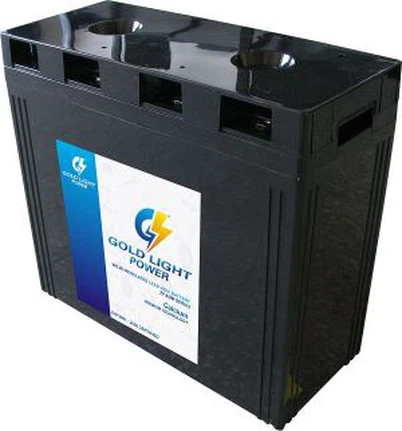
Now, let me mention some of the Vrla batteries we offer. We have the 2V800AH AGM, Gel Rechargeable Battery Deep Cycle Solar Power Battery. This battery is great for solar power systems, and it's designed to handle deep cycling. It has a long lifespan and can provide reliable power.
We also have the 2V600AH AGM Rechargeable Power Battery Valve Regulated Lead Aicd Battery for Long Life Battery. This battery is perfect for applications where long - term power storage is needed. It's built to last and is less prone to issues like overcharging when used with the right charger and maintenance.
In addition to using the right charger and doing regular maintenance, you can also consider using a battery monitoring system. A battery monitoring system can give you real - time information about the battery's state of charge, voltage, and temperature. This way, you can catch any signs of overcharging early and take action to prevent damage.


Some people might think that charging a Vrla battery at a high rate will charge it faster, but that's not always the case. High - rate charging can actually increase the risk of overcharging and damage the battery. It's better to charge at a moderate rate, as recommended by the battery manufacturer.
If you're in a situation where you need to charge multiple Vrla batteries in parallel or series, make sure you do it correctly. Incorrect wiring can lead to uneven charging, which can cause some batteries to be overcharged while others are undercharged. Follow the manufacturer's guidelines for wiring multiple batteries.
Lastly, don't ignore the environment where the battery is located. Extreme temperatures can affect the charging process and increase the risk of overcharging. Try to keep the battery in a cool, dry place. If it's too hot, the battery might overheat during charging, and if it's too cold, the charging efficiency might be reduced, leading to longer charging times and potential overcharging.
In conclusion, preventing overcharging of a Vrla battery is crucial for its performance and lifespan. By using the right charger, paying attention to charging time, doing regular maintenance, and using a battery monitoring system, you can keep your Vrla battery in top shape. If you're interested in our Vrla batteries, whether it's the 2V800AH or the 2V600AH, feel free to reach out for a procurement discussion. We're here to help you find the best battery solution for your needs.
References
- Battery University: A great resource for in - depth information on battery technology and charging.
- Manufacturer's manuals for Vrla batteries: These provide specific guidelines on charging, maintenance, and usage.