Is the Agm price affected by changes in government subsidies in the Agm industry?
Leave a message

As a supplier in the AGM (Absorbent Glass Mat) battery industry, I've witnessed firsthand the dynamic nature of the market and how various factors can influence the AGM price. One question that often arises is whether the AGM price is affected by changes in government subsidies in the AGM industry. In this blog post, I'll delve into this topic, exploring the relationship between government subsidies and AGM prices based on my experiences and industry knowledge.
Understanding Government Subsidies in the AGM Industry
Government subsidies play a significant role in many industries, including the AGM battery sector. These subsidies are typically designed to promote the development and adoption of clean energy technologies, reduce carbon emissions, and support domestic manufacturing. In the case of AGM batteries, subsidies may be provided for research and development, production, or the purchase of AGM batteries for specific applications such as renewable energy storage or electric vehicles.
Subsidies can take various forms, including direct financial assistance, tax credits, grants, or low - interest loans. For example, a government might offer a tax credit to consumers who purchase AGM batteries for their solar power systems, or provide grants to battery manufacturers to invest in new production facilities or research projects.
How Subsidies Can Impact AGM Prices
1. Supply - Side Effects
On the supply side, government subsidies can have a profound impact on the cost of producing AGM batteries. When manufacturers receive subsidies for research and development, they can invest in new technologies and production processes that improve efficiency and reduce costs. For instance, a subsidy for developing more advanced battery chemistries could lead to longer - lasting and more energy - dense AGM batteries, which may be produced at a lower cost per unit over time.
As production costs decrease, manufacturers may be able to lower their prices while maintaining their profit margins. This can make AGM batteries more competitive in the market, both domestically and internationally. Additionally, subsidies for building new production facilities can increase the overall supply of AGM batteries. According to the basic economic principle of supply and demand, an increase in supply, all else being equal, can lead to a decrease in price.
2. Demand - Side Effects
On the demand side, subsidies can stimulate consumer interest in AGM batteries. When consumers are offered financial incentives such as tax credits or rebates for purchasing AGM batteries, the effective cost of the battery for the consumer is reduced. This can lead to an increase in demand for AGM batteries.
If the demand increase is significant and the supply cannot adjust quickly enough, it can put upward pressure on prices. However, in the long run, as manufacturers respond to the increased demand by expanding production, the supply may catch up, and prices may stabilize or even decrease. For example, if a government offers a generous subsidy for homeowners to install AGM batteries for their solar power systems, the initial surge in demand may cause prices to rise slightly. But over time, manufacturers will ramp up production, and the market will reach a new equilibrium with potentially lower prices.
Real - World Examples
Let's look at some real - world examples to illustrate the impact of government subsidies on AGM prices. In some European countries, governments have provided substantial subsidies for the development and installation of energy storage systems, including AGM batteries, as part of their efforts to increase the share of renewable energy in the grid. These subsidies have led to a significant increase in the adoption of AGM batteries for solar power storage.
Initially, the increased demand put some upward pressure on prices. However, battery manufacturers, encouraged by the subsidies, invested in new production facilities and research projects. As a result, the production capacity increased, and the cost of production decreased. Over time, the prices of AGM batteries in these markets have become more competitive, making them more accessible to a wider range of consumers.
In the United States, the federal government has offered tax credits for residential solar power systems that include energy storage. This has also increased the demand for AGM batteries in the residential market. While the impact on prices has been more complex due to other factors such as raw material costs and trade policies, the subsidies have generally contributed to a more vibrant market for AGM batteries.
Challenges and Limitations
While government subsidies can have a positive impact on AGM prices and the industry as a whole, there are also some challenges and limitations. One challenge is the uncertainty of subsidy policies. Subsidies are often subject to political changes and budget constraints. A sudden reduction or elimination of subsidies can disrupt the market. For example, if a government decides to cut subsidies for AGM battery production, manufacturers may face higher costs and may have to increase their prices.
Another limitation is the potential for market distortion. Subsidies can sometimes lead to over - investment in the industry, creating a situation where there is an oversupply of AGM batteries. This can lead to price wars and financial difficulties for some manufacturers. Additionally, subsidies may not always be targeted effectively, and some companies may receive subsidies without making significant contributions to the industry's development.
Our Experience as an AGM Price Supplier
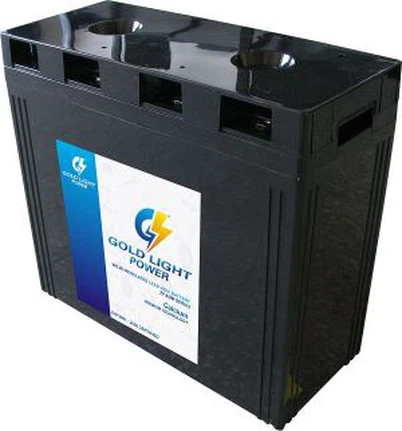
As a supplier of AGM batteries, we have closely monitored the impact of government subsidies on our business. When subsidies are available, we have seen an increase in demand for our products, especially for models like the 2V800AH AGM, Gel Rechargeable Battery Deep Cycle Solar Power Battery and the 2V600AH AGM Rechargeable Power Battery Valve Regulated Lead Aicd Battery for Long Life Battery. These subsidies have allowed us to invest in improving our production processes and expanding our product line.
We have also noticed that the price dynamics are complex. In some cases, the initial increase in demand due to subsidies has led to short - term price increases. But as we and other manufacturers have increased production, we have been able to offer more competitive prices to our customers.
Conclusion
In conclusion, government subsidies in the AGM industry can have a significant impact on AGM prices. On one hand, they can lead to cost - savings on the supply side through investment in new technologies and increased production capacity, which can result in lower prices. On the other hand, subsidies can stimulate demand, which may initially cause prices to rise but can also lead to long - term price stability or reduction as supply adjusts.
However, the relationship between subsidies and prices is not straightforward and is influenced by many other factors such as market competition, raw material costs, and government policies. As an AGM price supplier, we are constantly adapting to these changes and working to provide high - quality AGM batteries at competitive prices.


If you are interested in purchasing AGM batteries for your energy storage needs, whether it's for a solar power system, an electric vehicle, or other applications, we invite you to contact us for a detailed discussion. We can provide you with the latest information on prices, product specifications, and how government subsidies may affect your purchase decision.
References
- Economic Principles of Supply and Demand: Basic textbooks on microeconomics.
- Industry Reports on AGM Battery Markets in Europe and the United States: Various industry research firms.
- Government Policies and Subsidies for Energy Storage: Official government websites and policy documents.