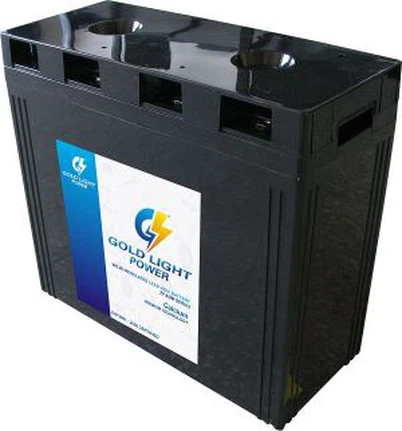
What are the self - heating characteristics of a batterie agm during charging and discharging?
Leave a message

What are the self - heating characteristics of a batterie agm during charging and discharging?
As a supplier of AGM (Absorbent Glass Mat) batteries, I've witnessed firsthand the importance of understanding the self - heating characteristics of these batteries during charging and discharging processes. This knowledge is not only crucial for battery performance but also for ensuring their safety and longevity.
1. Basics of AGM Batteries
AGM batteries are a type of lead - acid battery where the electrolyte is absorbed into a fine fiberglass mat. This design offers several advantages such as spill - proof construction, deep - cycle capabilities, and relatively low self - discharge rates. They are widely used in various applications, including automotive, marine, and renewable energy storage systems.
2. Self - heating during Charging
When an AGM battery is being charged, electrical energy is converted into chemical energy. However, this process is not 100% efficient, and a portion of the electrical energy is dissipated as heat. The self - heating during charging is mainly influenced by the following factors:
Charge Current
The charge current is one of the most significant factors affecting self - heating. A higher charge current leads to a faster rate of chemical reactions within the battery. When the charge current is too high, the heat generation rate can exceed the heat dissipation rate, causing the battery temperature to rise rapidly. For example, in a high - power charging scenario, such as fast - charging an AGM battery used in an electric vehicle's auxiliary power system, the battery may heat up significantly.
State of Charge (SOC)
The state of charge also plays a role in self - heating. As the battery approaches full charge, the over - charging reactions become more prominent. During over - charging, water in the electrolyte can be electrolyzed into hydrogen and oxygen, which is an endothermic reaction. However, the associated side reactions and the increased internal resistance of the battery at high SOC can still lead to heat generation.
Internal Resistance
The internal resistance of an AGM battery is another key factor. Batteries with higher internal resistance will generate more heat for a given charge current according to the Joule's law ((P = I^{2}R), where (P) is the power dissipated as heat, (I) is the current, and (R) is the internal resistance). Factors such as battery age, sulfation, and improper manufacturing can increase the internal resistance.
Excessive self - heating during charging can have several negative impacts. It can accelerate the aging process of the battery, reduce its capacity, and even pose a safety risk, such as thermal runaway. Thermal runaway occurs when the heat generation rate exceeds the heat dissipation rate, and the battery temperature rises uncontrollably, potentially leading to battery failure or even explosion.
3. Self - heating during Discharging
During discharging, the chemical energy stored in the battery is converted back into electrical energy. Similar to the charging process, self - heating also occurs during discharging, although the mechanisms are slightly different.
Discharge Current
The discharge current has a direct impact on self - heating. A high - discharge current, such as when a battery is supplying power to a high - power device like a large inverter in a solar power system, will cause more heat to be generated. This is because a higher current flowing through the internal resistance of the battery results in more power dissipation as heat.
Depth of Discharge (DOD)
The depth of discharge affects the self - heating characteristics. As the battery discharges deeper, the internal resistance generally increases. This increase in internal resistance leads to more heat generation for a given discharge current. For example, in a deep - cycle application where the AGM battery is regularly discharged to a high DOD, the self - heating during discharging can be more pronounced.
Temperature of the Surrounding Environment
The surrounding temperature also influences the self - heating during discharging. In a hot environment, the battery's ability to dissipate heat is reduced. As a result, even a normal discharge current may cause the battery temperature to rise more than it would in a cooler environment.
4. Measuring and Controlling Self - heating
To ensure the safe and efficient operation of AGM batteries, it is essential to measure and control self - heating.
Temperature Sensors
Temperature sensors can be installed on the battery to monitor its temperature in real - time. By continuously monitoring the battery temperature, appropriate actions can be taken if the temperature exceeds a safe threshold. For example, in a battery management system (BMS), if the temperature sensor detects that the battery is overheating during charging or discharging, the BMS can adjust the charge or discharge current to reduce the heat generation.
Cooling Systems
Cooling systems can be used to dissipate the heat generated by the battery. In large - scale battery installations, such as those used in data centers or grid - scale energy storage, air - cooling or liquid - cooling systems are often employed. These cooling systems help maintain the battery temperature within a safe operating range, thereby improving the battery's performance and lifespan.
5. Product Recommendations
As a supplier, we offer a range of high - quality AGM batteries suitable for various applications. In addition, we also have other excellent battery products, such as the 2V300AH OPzV Battery Deep Cycle Solar Power Battery Valve Regulated Lead Aicd Battery 20 Years Life and the 2V200AH OPzV Battery, GEL Tubular Plate Battery UPS EPS 5years Warranty. These batteries are designed with advanced technology to minimize self - heating and ensure long - term reliable operation.


6. Conclusion and Call to Action
Understanding the self - heating characteristics of AGM batteries during charging and discharging is essential for optimizing their performance and ensuring their safety. By carefully controlling the charge and discharge conditions, monitoring the battery temperature, and using appropriate cooling systems, the negative impacts of self - heating can be minimized.
If you are in the market for high - quality AGM batteries or have any questions about battery self - heating and performance, we are here to help. Our team of experts can provide you with detailed technical support and customized solutions. Contact us today to start a procurement discussion and find the best battery solutions for your needs.
References
- Linden, D., & Reddy, T. B. (2002). Handbook of Batteries. McGraw - Hill.
- Rand, D. A. J., Moseley, P. T., Garche, J., & Parker, C. (2004). Valve - Regulated Lead - Acid Batteries. Elsevier.