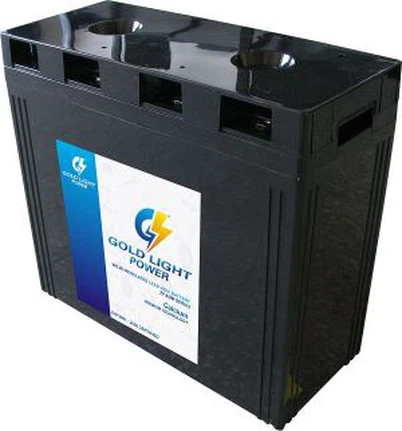
What is the ionic conductivity of battery plates?
Leave a message

What is the ionic conductivity of battery plates?
As a prominent supplier of battery plates, I've witnessed firsthand the critical role that ionic conductivity plays in the performance of batteries. Ionic conductivity is a fundamental property that determines how well a battery can conduct ions, which is essential for the flow of electrical current. In this blog, I'll delve into the concept of ionic conductivity in battery plates, its significance, and how it impacts the overall performance of batteries.
Understanding Ionic Conductivity
Ionic conductivity refers to the ability of a material to conduct ions. In the context of battery plates, it is the measure of how easily ions can move through the electrolyte and the active materials within the plates. This movement of ions is crucial for the electrochemical reactions that occur during the charging and discharging processes of a battery.
When a battery is connected to a circuit, a chemical reaction takes place at the electrodes. At the anode, oxidation occurs, releasing electrons and positive ions into the electrolyte. These positive ions then migrate through the electrolyte towards the cathode, where reduction occurs, accepting the electrons and completing the electrical circuit. The rate at which these ions can move through the electrolyte and the active materials determines the battery's ionic conductivity.
Factors Affecting Ionic Conductivity
Several factors can influence the ionic conductivity of battery plates. One of the most significant factors is the type of electrolyte used. Different electrolytes have different ionic conductivities, which can vary depending on their chemical composition, concentration, and temperature. For example, aqueous electrolytes, such as sulfuric acid in lead-acid batteries, generally have higher ionic conductivities compared to non-aqueous electrolytes, such as lithium salts in lithium-ion batteries.
The structure and composition of the active materials in the battery plates also play a crucial role in determining ionic conductivity. The active materials are the substances that undergo the electrochemical reactions during charging and discharging. Their crystal structure, particle size, and porosity can affect the mobility of ions within the plates. For instance, materials with a more open and porous structure tend to have higher ionic conductivities because they provide more pathways for ion movement.
Temperature is another important factor that affects ionic conductivity. In general, ionic conductivity increases with increasing temperature. This is because higher temperatures provide more thermal energy to the ions, allowing them to move more freely through the electrolyte and the active materials. However, excessive temperatures can also cause side reactions and degradation of the battery components, which can reduce the overall performance and lifespan of the battery.
Significance of Ionic Conductivity in Battery Performance
Ionic conductivity is a key determinant of battery performance. A high ionic conductivity allows for faster ion transport, which means that the battery can deliver a higher current and charge and discharge more quickly. This is particularly important for applications that require high power output, such as electric vehicles and portable electronics.
In addition to power output, ionic conductivity also affects the energy efficiency of the battery. A battery with high ionic conductivity experiences less internal resistance, which means that less energy is wasted as heat during the charging and discharging processes. This results in a higher energy conversion efficiency and a longer battery lifespan.
Furthermore, ionic conductivity can impact the safety of the battery. A low ionic conductivity can lead to the formation of lithium dendrites in lithium-ion batteries, which can cause short circuits and thermal runaway, posing a significant safety risk. By ensuring high ionic conductivity, we can reduce the likelihood of these safety issues and improve the overall reliability of the battery.
Our Battery Plates and Ionic Conductivity
At our company, we understand the importance of ionic conductivity in battery performance. That's why we are committed to developing and manufacturing battery plates with high ionic conductivity. Our Sealed Calcium Lead Acid Battery Plates Unformatted for Vrla and UPS Battery are designed to provide excellent ion transport properties, allowing for fast charging and discharging and high power output. These plates are suitable for a wide range of applications, including uninterruptible power supplies (UPS) and stationary energy storage systems.
We also offer Automotive Calcium Battery Plates Wet Battery Plates for Maintenance Free Car Battery that are specifically engineered for automotive applications. These plates have been optimized to deliver high ionic conductivity, ensuring reliable starting power and long service life for your vehicle.
Conclusion
Ionic conductivity is a fundamental property that plays a crucial role in battery performance. By understanding the factors that affect ionic conductivity and developing battery plates with high ionic conductivity, we can improve the power output, energy efficiency, and safety of batteries. As a leading supplier of battery plates, we are dedicated to providing our customers with high-quality products that meet their specific needs and requirements.
If you are interested in learning more about our battery plates or have any questions about ionic conductivity, please don't hesitate to contact us. We would be happy to discuss your needs and provide you with the best solutions for your battery applications. Let's work together to power the future with high-performance batteries!


References
- Newman, J., & Thomas-Alyea, K. E. (2004). Electrochemical Systems. John Wiley & Sons.
- Goodenough, J. B., & Kim, Y. (2010). Challenges for rechargeable Li batteries. Chemistry of Materials, 22(3), 587-603.
- Winter, M., & Brodd, R. J. (2004). What are batteries, fuel cells, and supercapacitors?. Chemical Reviews, 104(10), 4245-4269.