What is the relationship between Agm price and inflation expectations?
Leave a message

In the dynamic landscape of the energy storage market, as a dedicated AGM (Absorbent Glass Mat) battery price supplier, I've witnessed firsthand the intricate dance between AGM battery prices and inflation expectations. This relationship is not only a crucial aspect of our business but also has far - reaching implications for consumers, industries, and the overall economy.
Understanding AGM Batteries
AGM batteries are a type of valve - regulated lead - acid (VRLA) battery. They use a fiberglass mat to absorb the electrolyte, which offers several advantages over traditional flooded lead - acid batteries. These include a maintenance - free design, the ability to be mounted in any position, and better resistance to vibration and shock. AGM batteries are widely used in various applications, such as solar power systems, uninterruptible power supplies (UPS), and automotive starting, lighting, and ignition (SLI) systems.
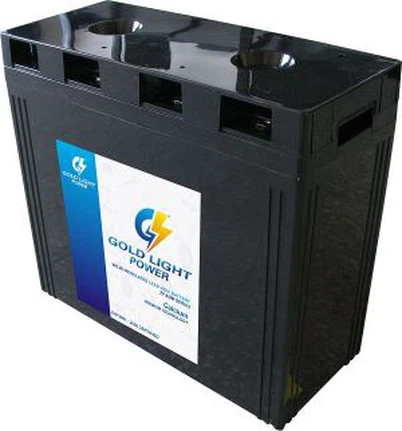
Our product portfolio includes high - quality AGM batteries like the 2V800AH AGM, Gel Rechargeable Battery Deep Cycle Solar Power Battery and the 2V600AH AGM Rechargeable Power Battery Valve Regulated Lead Aicd Battery for Long Life Battery. These batteries are designed to meet the diverse needs of our customers, providing reliable and long - lasting power solutions.
Factors Affecting AGM Battery Prices
Before delving into the relationship between AGM battery prices and inflation expectations, it's essential to understand the key factors that influence AGM battery prices.
Raw Material Costs
The primary raw materials used in AGM batteries are lead, sulfuric acid, and fiberglass. Lead is the most significant component, accounting for a large portion of the battery's cost. Fluctuations in the price of lead, which is affected by global supply and demand dynamics, mining production, and geopolitical factors, can have a substantial impact on AGM battery prices. For example, if there is a disruption in lead mining due to labor strikes or environmental regulations in major lead - producing countries, the supply of lead will decrease, leading to an increase in its price and subsequently, the price of AGM batteries.
Manufacturing and Production Costs
The manufacturing process of AGM batteries involves several steps, including plate casting, assembly, and charging. Labor costs, energy costs, and equipment maintenance also contribute to the overall production cost. Any increase in these costs, such as higher wages for workers or rising electricity prices, will be reflected in the final price of the batteries.
Market Competition
The AGM battery market is highly competitive, with numerous suppliers offering similar products. Intense competition can put downward pressure on prices as companies strive to gain market share. However, factors such as product quality, brand reputation, and customer service can also allow some suppliers to command a premium price.
Inflation Expectations and Their Impact on AGM Battery Prices
Inflation expectations refer to the anticipated rate of inflation in the future. These expectations are formed based on various economic indicators, such as consumer price index (CPI), producer price index (PPI), and central bank policies. Inflation expectations can have a significant impact on AGM battery prices in the following ways:
Cost - Push Inflation
When inflation expectations are high, suppliers of raw materials and labor may demand higher prices and wages to compensate for the expected loss of purchasing power. As mentioned earlier, an increase in raw material costs, such as lead and sulfuric acid, and manufacturing costs, such as labor and energy, will lead to higher production costs for AGM batteries. To maintain their profit margins, battery manufacturers will be forced to raise the prices of their products. For instance, if a battery manufacturer expects inflation to erode the value of its profits over the next year, it may increase the price of its AGM batteries in advance to offset the potential loss.
Demand - Pull Inflation
High inflation expectations can also lead to increased demand for AGM batteries. In an inflationary environment, consumers and businesses may seek to invest in assets that can retain their value or provide a hedge against inflation. AGM batteries, especially those used in solar power systems, can be seen as a long - term investment that can reduce energy costs and provide a stable power supply. As a result, the demand for AGM batteries may increase, putting upward pressure on prices.
Interest Rates and Financing Costs
Central banks often adjust interest rates in response to inflation expectations. When inflation expectations are high, central banks may raise interest rates to control inflation. Higher interest rates can increase the financing costs for battery manufacturers and consumers. Manufacturers may face higher borrowing costs to finance their production and expansion plans, while consumers may find it more expensive to purchase AGM batteries on credit. These increased costs can be passed on to the final price of the batteries.
Case Studies and Real - World Examples
To illustrate the relationship between AGM battery prices and inflation expectations, let's look at some real - world examples.
Historical Data Analysis
Over the past decade, we have observed a correlation between inflation trends and AGM battery prices. During periods of high inflation, such as the global financial crisis in 2008 - 2009 and the recent inflationary pressures in 2021 - 2022, the prices of AGM batteries have generally increased. In 2008, the price of lead soared due to a combination of supply disruptions and increased demand from emerging economies. At the same time, inflation expectations were high as central banks around the world implemented expansionary monetary policies to stimulate the economy. As a result, the price of AGM batteries increased significantly.
Regional Variations
Inflation rates and inflation expectations can vary significantly across different regions. In regions with high inflation, such as some emerging economies, the price of AGM batteries is often higher compared to regions with low inflation. For example, in countries where inflation is running at double - digit rates, the cost of raw materials and labor is much higher, leading to more expensive AGM batteries.
Strategies for Coping with Price Fluctuations
As an AGM battery price supplier, we have developed several strategies to cope with price fluctuations caused by inflation expectations:
Long - Term Contracts with Suppliers
We have established long - term contracts with our raw material suppliers to lock in prices for a certain period. This helps us to mitigate the impact of short - term price fluctuations and ensure a stable supply of raw materials.


Cost - Saving Measures
We are constantly looking for ways to reduce our manufacturing and production costs. This includes investing in more efficient production equipment, optimizing our supply chain, and improving our labor productivity. By reducing costs, we can absorb some of the price increases caused by inflation and maintain competitive prices for our customers.
Product Differentiation
To stand out in the competitive market, we focus on product differentiation. We invest in research and development to improve the performance and quality of our AGM batteries. Our high - quality products, such as the 2V800AH AGM, Gel Rechargeable Battery Deep Cycle Solar Power Battery and the 2V600AH AGM Rechargeable Power Battery Valve Regulated Lead Aicd Battery for Long Life Battery, offer unique features and benefits that justify a premium price.
Conclusion and Call to Action
In conclusion, the relationship between AGM battery prices and inflation expectations is complex and multifaceted. Inflation expectations can have a significant impact on AGM battery prices through cost - push inflation, demand - pull inflation, and interest rates. As an AGM battery price supplier, we are committed to providing high - quality products at competitive prices, despite the challenges posed by inflation.
If you are in the market for AGM batteries, whether for solar power systems, UPS, or automotive applications, we invite you to contact us for a detailed discussion on our product offerings and pricing. Our team of experts is ready to assist you in finding the best battery solution to meet your specific needs.
References
- Blanchard, O. J., & Johnson, D. R. (2013). Macroeconomics. Pearson.
- Mankiw, N. G. (2014). Principles of Economics. Cengage Learning.
- World Bank. (2022). Commodity Markets Outlook. Retrieved from the World Bank website.